- Section
- Packaging
- Published
- 3 min read
- By Nathan Brooks
Packaging
Amcor Passes Through $435 Million in Resin Costs, Bets on Private Label
Amcor passed through $435 million in resin costs last quarter, leaned into private label and China, and trimmed guidance by 10 cents amid energy inflation.
At a glance
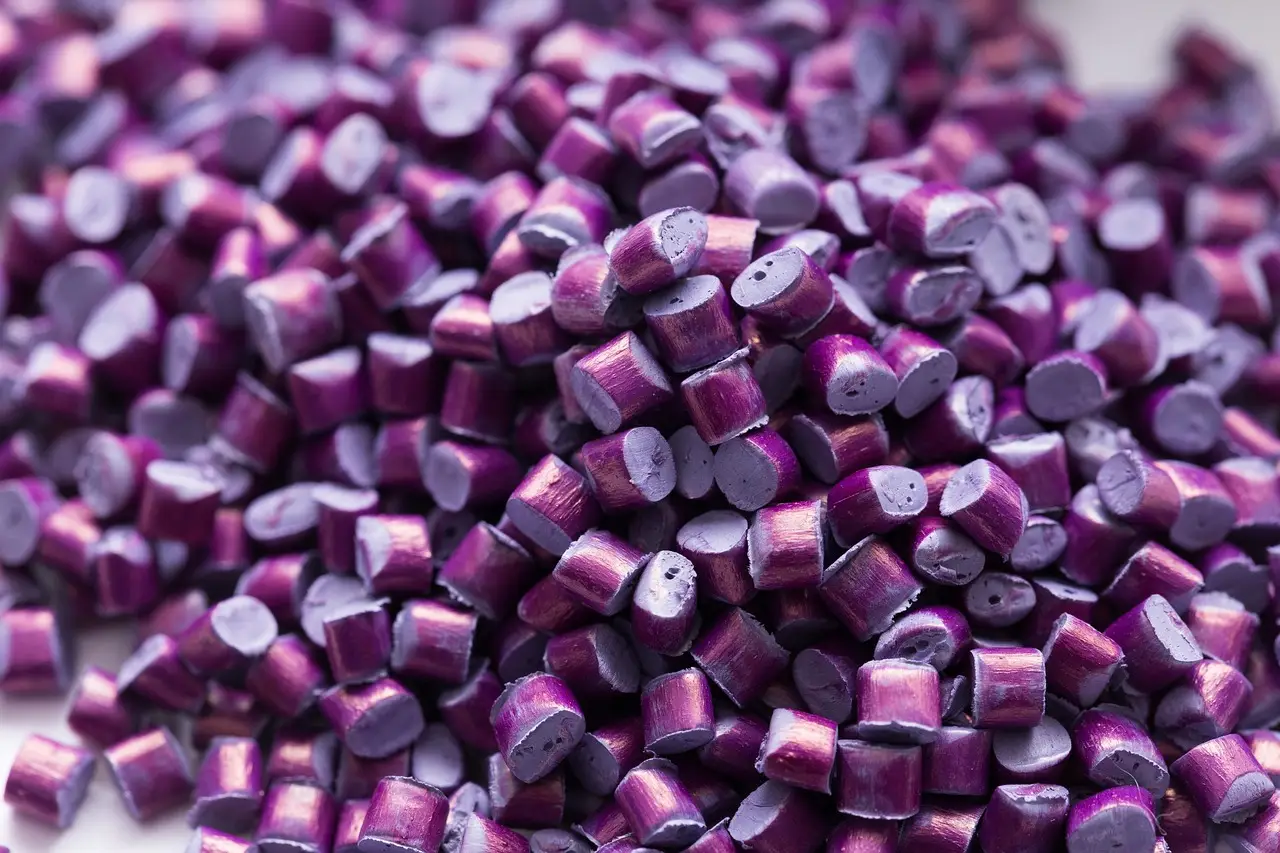
- Amcor passed through $435 million in higher resin costs in the quarter ended Sept. 30.
- CEO Peter Konieczny expects inflation to be addressed by the end of this calendar year.
- China is now a more than $1 billion business for Amcor; private label volumes are growing as consumers seek value.
- Amcor trimmed transition-period guidance by 10 cents to $1.70-$1.80 per share.
- The $650 million Berry Global synergy target is on track, with roughly $60 million delivered last quarter.
Amcor pushed $435 million in higher resin costs through to customers during the quarter ended Sept. 30, and CEO Peter Konieczny said inflation pressures accelerated beyond raw materials late in the period. The global packaging giant reported organic volume growth of 1% for the quarter, with flexibles flat and rigids up about 4%, excluding divestitures and non-core assets, according to its earnings release late Wednesday.
The company saw "an acceleration in non-raw material input costs, such as energy and distribution costs, particularly in September," Konieczny said on the earnings call. CFO Stephen Scherger laid out the fix: Amcor is "implementing productivity initiatives across the organization" and "taking price actions" to mitigate the impact going forward.
"Through these measures, we expect to address the current inflationary trend by the end of this calendar year," Scherger said.
Where the growth sits
Of roughly $6.1 billion in quarterly sales, Amcor attributes $5.6 billion to its core portfolio spanning health, beauty and wellness, protein, liquids, foodservice and pet care. Volumes in those focus categories rose 3% collectively during the quarter.
Two markets stood out on the call: private label and China. Amcor has long played in private label, but cost-strained consumers have swelled the segment, particularly in North America and Europe. "Private label is one of the places where the market is winning or where customers are winning," Konieczny said.
In recent months, Amcor has built a new organization "dedicated to expanding our relationships with large retailers and co-packers in North America and Europe," he said, calling the resulting pipeline something "we're pretty excited about." Roughly 20% of Amcor's portfolio sits in emerging markets, with China now a more than $1 billion business. "We're adding to our manufacturing capacity, which will help us maintain proximity to demand and drive growth," Konieczny said.
Foodservice delivered "new QSR wins" driven by polypropylene cups, lids and containers.
What about the beverage business?
More than a year after Amcor disclosed it was seeking a new home for its North American beverage business, the sale remains unfinished. "These conversations are still ongoing," Konieczny said. "It's taking a little longer than what we anticipated." He acknowledged geopolitical and market volatility but added, "We remain committed."
Meanwhile, the portfolio review that followed the Berry Global acquisition in mid-2025 has produced six divestiture transactions — five closed, one imminent. As of June 30, Amcor had booked $272 million in divestiture proceeds from the prior year. Konieczny said the core end market segments are well-poised for sizable bolt-on acquisitions ahead.
Synergies and the 2027 outlook
The Berry deal's $650 million synergy target over three years remains on track. The most recent quarter delivered roughly $60 million, in line with expectations, with $70 million expected in the quarter ending Dec. 31 and $285 million for fiscal year 2026.
Amcor is in a six-month transition period on financial reporting before adopting a calendar-year framework in 2027. The company cut its guidance for the period by 10 cents, from $1.80 to $1.90 per share, citing the timing of passing through higher energy and distribution costs.
Amcor also expects to recover a cash flow impact exceeding $500 million from the Middle East conflict by the end of calendar year 2027. Konieczny drew a firm line on inflation's shelf life: "We're actively addressing these higher costs over the coming months with price and cost actions and do not expect this incremental inflation will negatively impact our results in 2027."
Source: Packaging Dive
More from Nathan Brooks
Show full bio
Market editor covering companies, deals and strategy in trade marketing, shopper marketing, trade promotions, category management at Target Marketing.
121 articles
Related articles
| November 4, 2026 | Graphic Packaging Reworks Contracts, Banks $60M Pricing Gains |
| October 23, 2026 | PCA Ships 11% More, Chases $70 Containerboard Price Hike |
| November 5, 2026 | E.l.f. Beauty Sales Jump 51% to $520.8M as Innovation Outpaces Pricing |
| September 23, 2026 | Pratt, Amcor, O-I and JBM Pour Millions Into Plant Expansions |
| October 30, 2026 | International Paper cuts 2026 guidance ahead of DS Smith split |