- Section
- Retail & Distribution
- Published
- 3 min read
- By Tom Whitfield
Retail & Distribution
Asics Recovers Misplaced Inventory 60% Faster With Warehouse Drones
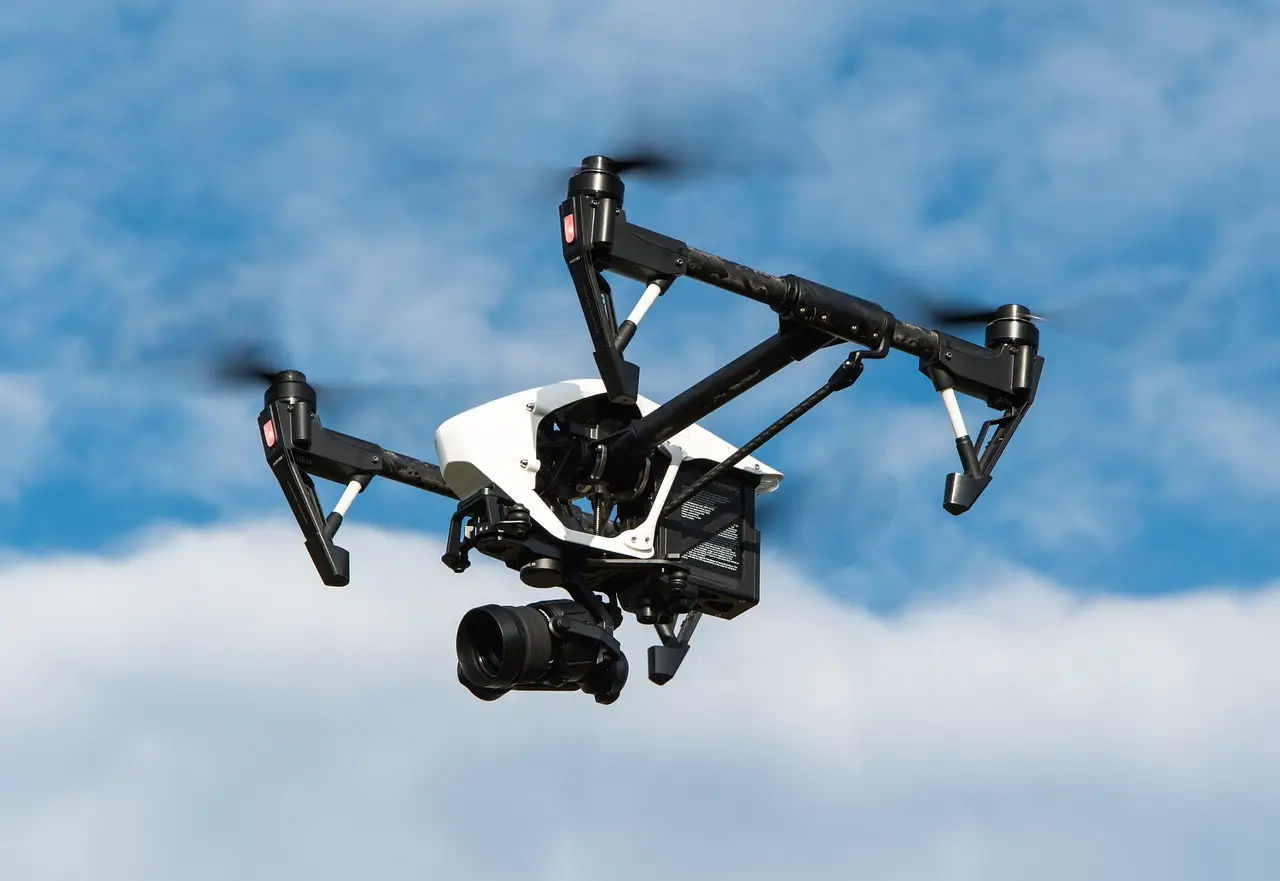
Asics America uses Corvus One drones at its 855,000-sq-ft Byhalia DC to recover misplaced inventory 60% faster and publish full marketplace inventory feeds.
At a glance
- Asics recovers misplaced inventory about 60% faster using Corvus One drones, per a Nov. 10 announcement.
- Drone counts at the 855,000-square-foot Byhalia, Mississippi DC increased from twice a year to monthly.
- Asics previously withheld 12-15 units per 100 from marketplace feeds; it now publishes full availability.
- In one three-month period, drones found 26 misplaced cases holding more than 200 pairs of shoes.
- Corvus drones fly seven scheduled flights a night through aisles less than 6 feet wide.
Asics America says autonomous drones now help it recover misplaced inventory about 60% faster at its primary North American distribution center in Byhalia, Mississippi. The sportswear brand credits Corvus One drones, developed by Corvus Robotics, with cutting the risk of unfulfilled orders and expanding what it can sell online, according to a Nov. 10 announcement from the warehouse automation provider.
The numbers behind the operation are substantial. The 855,000-square-foot Byhalia facility houses nearly 3 million units of footwear, apparel and accessories across roughly 44,000 SKUs. It fulfills ecommerce orders, supplies Asics stores and wholesale customers, and processes customer returns. Before the drones arrived, misplaced shoes and other items could go undetected for up to six months.
"That could be the last pair in the building for an order we've already taken, and then the customer gets a cancellation," said Kyle Koestler, senior director of distribution and transportation at Asics America.
How the drones work
Asics flies Corvus One drones in two zones: a singles area holding returned merchandise and individual shoe pairs, and a case reserve area holding full cartons. The drones fly seven scheduled flights a night, starting around 7 p.m. Onboard computer vision and spatial reasoning let them navigate aisles less than 6 feet wide without markers or beacons.
During each flight, the drones scan universal product codes and count boxes at each location. The system compares those counts with barcode scans to flag discrepancies. The next morning, a warehouse employee reviews images and video from the flights.
"Now we can just look at the footage and we can tell exactly what's going on with it in the locations before we have to send someone out," said Angela Williford, inventory control operations manager at Asics America, in a Corvus video case study. "If it's something that we can correct from the desk, we'll correct it then."
The payoff is concrete. In one three-month period, drones identified 26 misplaced cases containing more than 200 pairs of shoes — items that otherwise would have stayed unavailable until the next scheduled review. Inventory counts in the two storage areas now run monthly, up from twice a year.
"You don't want to have to count a thousand locations to find the four or five that have problems," Koestler said in the case study.
What changes for marketplace selling?
The counts changed Asics' marketplace strategy. The company previously withheld 12 to 15 units out of every 100 from inventory feeds sent to marketplace partners, because stock shown as available might be missing when orders arrived. With monthly counts, Asics now publishes its full availability feed. Corvus said the change lets Asics offer more merchandise at full price instead of liquidating at a discount; the companies did not disclose added revenue.
The drones also shifted labor. Workers spend less time on routine cycle counts and more on reconciliation, discrepancy investigations and wholesale-support projects. Corvus added that the drones reduce lift-equipment traffic in the facility's narrow aisles.
A broader automation wave
Asics joins a growing roster of drone adopters. GNC increased counts at its Indianapolis and Phoenix distribution centers to 10-12 per year, up from two to four. Southern Glazer's Wine & Spirits expanded drones to nine distribution centers and reported a 100-basis-point improvement in cases handled per hour. Walmart, separately, plans to deploy Symbotic automation across 25 U.S. regional distribution centers to support inventory management, storage capacity and product flow. For omnichannel retailers, the Asics case shows how counting frequency — not just accuracy — now drives marketplace sell-through and cancellation rates.
Original: subscription.digitalcommerce360.com
More from Tom Whitfield
Show full bio
Staff writer covering people, launches and day-to-day practice in trade marketing, shopper marketing, trade promotions, category management at Target Marketing.
143 articles
Related articles
| September 24, 2026 | Lowe's Launches Drone Delivery in 20 Minutes With Wing and DoorDash |
| November 8, 2026 | Walmart Adds 300 Zipline Drone Delivery Sites in Multi-Year Deal |
| November 6, 2026 | Under Armour Cuts SKUs 25% Again and Chases Full-Price Sales |
| October 30, 2026 | Altra's 40% Surge Offsets Vans Decline as VF Corp Revenue Edges Up 1% |
| September 30, 2026 | Amazon Opens Seller Data to Claude in Agentic AI Push |