- Section
- Grocery & CPG
- Published
- 3 min read
- By Marcus Bennett
Grocery & CPG
France blames Iran for attacks on thousands of freezer units
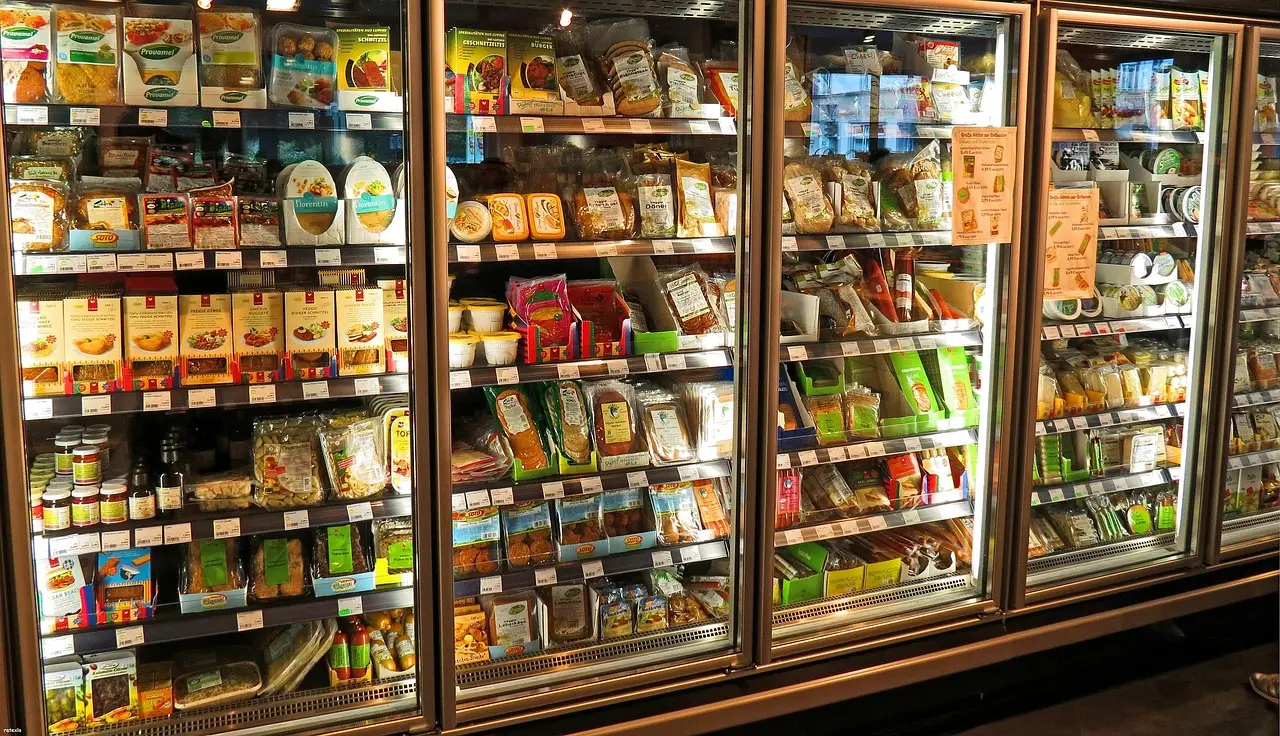
France attributed attacks on thousands of internet-connected freezer units across Europe to Iran's IRGC. Grocery refrigeration was disrupted; blood-bank hacks were stopped before spoilage.
At a glance
- France said the Islamic Revolutionary Guard Corps was responsible for attacks on thousands of internet-connected refrigeration and freezer units across France and broader Europe.
- Two attack waves ran throughout October and into November, using web-based cold-system controllers to raise temperatures at grocery stores and supermarkets.
- The French Blood Establishment said blood-bank attacks were stopped before any blood was spoiled.
- Security researchers warned that some affected Danfoss models no longer receive security fixes.
- France summoned Iran’s ambassador and said it would issue European-wide sanctions; the U.S. intelligence community has made no formal public attribution.
France’s government formally blamed Iran for cyberattacks against thousands of internet-connected industrial refrigeration and freezer units across the country and broader Europe.
French Foreign Minister Jean-Noël Barrot said in Paris on Monday: “I am able to confirm that responsibility for this act lies with the Islamic Revolutionary Guard Corps,” referring to Iran’s military and hackers. Reuters first reported France’s attribution, citing sources, before Barrot’s remarks.
Why did France call this major sabotage?
Barrot called it “an attack of unprecedented scale and aggression” and “the first large-scale act of sabotage on our national territory.” He described it as “a major assault on the nation’s interests and the security of the French people.” He added that the hacks would “not go without consequences.”
The French government has summoned Iran’s ambassador, Reuters reported. It also said it would issue European-wide sanctions against those who carried out the hacks, while Barrot said the matter now sits with the French justice system.
The report gave no sanctions timetable, named targets or public forensic evidence. France has publicly assigned responsibility, but enforcement remains untested.
How did attackers reach cold-chain controls?
Two recent waves throughout October and into November used remote intrusions against web-based controllers managing fleets of industrial cold and chilling units, according to the report. Attackers raised temperatures at grocery stores and retail supermarkets to spoil food and destroy goods.
Medical blood banks were also hacked. According to the French Blood Establishment, the attacks were stopped before any blood was spoiled.
The source did not disclose the number of affected sites or blood banks, the quantity of food destroyed or the value of losses. The reported retail mechanism was remote temperature manipulation, with spoiled food and destroyed goods as the result.
What makes these refrigeration systems vulnerable?
Security researchers warned that the web-based controllers are vulnerable to remote hacks, according to the report. The report also said some affected models made by Danish company Danfoss no longer receive security fixes.
The report did not identify those models or describe any remediation work. For grocers, that support gap leaves exposure unresolved unless they verify which controllers remain in service at their stores.
What did Washington link to Iran?
The report placed the freezer attacks as the latest in a series of destructive cyberattacks attributed to Iran this year. That run included hacks against U.S. water providers and other online intrusions that disrupted Stryker, the U.S. medical-device giant, and others, Reuters reported.
The U.S. government linked the attacks to pro-Iranian hacktivists working for Tehran, according to Reuters. It said they were likely responding to the U.S.-Israel-led war against Iran, which killed Iran’s supreme leader in February.
What remains unconfirmed?
Washington is also examining whether freezer units on military bases were hacked after similar outages and disruption earlier this year, Reuters reported. U.S. officials have reportedly linked the freezer-related cyberattack to Iran, but the intelligence community has made no formal or public attribution.
A spokesperson for Iran’s consulate in New York did not immediately respond to a request for comment. France has made a formal public attribution; the United States has not.
What should retailers watch next?
For grocery retailers, the next checkpoint is whether internet-connected controllers remain exposed, particularly affected Danfoss models without security fixes. France’s promised sanctions and justice proceedings will test whether the attribution leads to identifiable defendants.
Without more evidence from French authorities or a U.S. review finding, the number of affected sites, food losses and military-base exposure remain uncertain. Retailers cannot use the “thousands” figure to calculate inventory losses. Named sanctions action or a formal U.S. attribution would narrow that uncertainty.
Source: techcrunch.com
More from Marcus Bennett
Show full bio
News editor covering companies, deals and strategy in trade marketing, shopper marketing, trade promotions, category management at Target Marketing.
112 articles