- Section
- Packaging
- Published
- 2 min read
- By Tom Whitfield
Packaging
Hawaii Reuse Program Will Use Metal Containers, Not Plastic
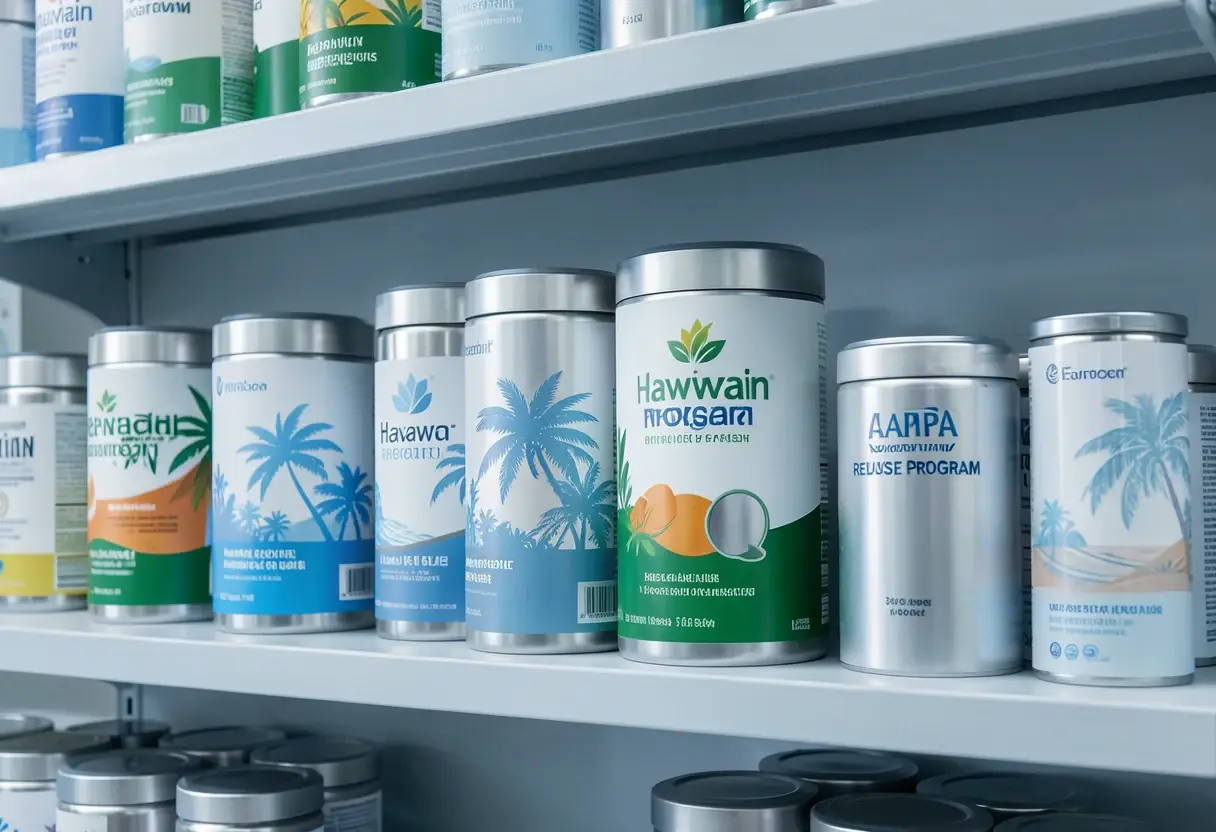
Hawaii's reuse program will use metal containers rather than plastic, Perpetual reports, and sourcing them has exposed gaps in U.S. manufacturing capacity.
At a glance
- Hawaii's reuse program will use metal containers rather than plastic, according to Perpetual.
- Procuring containers that fit local needs has highlighted gaps in U.S. manufacturing, Perpetual said.
- In California alone, EPR funds could create a $600 million market opportunity for reusable packaging.
Hawaii's reuse program will run on metal containers rather than plastic, according to Perpetual, the organization behind the initiative. The decision emerged from the practical work of procuring containers that fit local needs, a process Perpetual says has highlighted gaps in U.S. manufacturing.
The material choice is not cosmetic. For a reuse system, the container is the core asset that cycles through the program. Selecting metal over plastic changes what the program can buy, from whom, and at what scale — and Perpetual reports that the sourcing step itself revealed a domestic supply problem.
What did procurement reveal?
Procuring containers that fit local needs has highlighted gaps in U.S. manufacturing, according to Perpetual. In practical terms, a reuse operator in Hawaii cannot simply order suitable vessels from an established domestic production base. The organization framed this as a structural finding, not a one-off purchasing difficulty.
The Hawaiian context matters. A program serving local needs must source containers that match those needs, and the island setting narrows logistics options further. Perpetual's account positions the manufacturing gap as a constraint that any comparable reuse program in the United States would confront.
Where does the money come from?
The funding picture is larger than Hawaii. In California alone, EPR funds could create a $600 million market opportunity for reusable packaging, according to the source material.
Extended producer responsibility programs shift packaging costs onto producers, and California's framework is the largest single pool identified in this reporting. If that $600 million materializes, reusable packaging becomes a funded category rather than a compliance afterthought — and container manufacturers who can meet reuse specifications stand to capture it.
What does this change for practitioners?
For brands and retailers evaluating reuse, the Hawaii program offers two lessons grounded in the source. First, material selection drives the entire supply chain: metal containers impose different sourcing, durability and cost parameters than plastic. Second, domestic manufacturing capacity is the bottleneck to watch. Perpetual's experience shows that a reuse program can be designed, funded and announced — and still stall at the point where it needs containers built to spec.
The $600 million California figure gives that bottleneck commercial weight. A market of that size, funded through EPR, would justify new manufacturing capacity for reusable formats. Until that capacity exists, programs like Hawaii's will depend on the procurement work Perpetual describes — finding containers that fit local needs in a supply base that, by the organization's own account, does not yet fully exist in the United States.
By Tom Whitfield
Source: Packaging Dive
More from Tom Whitfield
Show full bio
Staff writer covering people, launches and day-to-day practice in trade marketing, shopper marketing, trade promotions, category management at Target Marketing.
68 articles