- Section
- POS & Displays
- Published
- 2 min read
- By Daniel Okafor
POS & Displays
Trader Joe's Turns Seasonal Aisles Into a Treasure Hunt
Trader Joe's converts seasonal impulse buying into a treasure hunt with a rotating creative lineup and helpful shelf tags that drive unplanned purchases in store.
At a glance
- Trader Joe's designs its seasonal offering as a treasure hunt shopping experience.
- The chain's strategy combines a creative seasonal product lineup with helpful shelf tags.
- Limited-time seasonal items and frequent rotation drive impulse purchases and repeat trips.
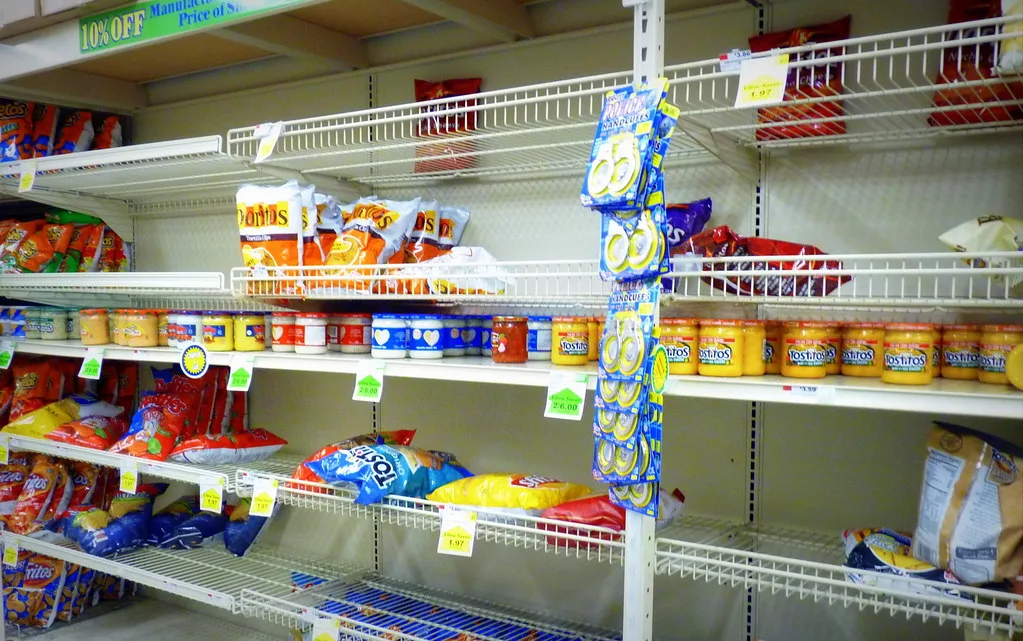
Trader Joe's has built its merchandising model around seasonal impulse buying, turning a routine grocery run into what the retailer itself frames as a treasure hunt experience.
The strategy rests on two visible tactics, according to a review of the chain's fall assortment: a creative, tightly rotated seasonal product lineup and shelf tags written to help shoppers find and understand those limited-time items. Together, they push customers to buy on impulse rather than from a list.
The treasure hunt framing is not incidental. It reflects how Trader Joe's structures its aisles. Seasonal products appear for a short window, often without warning, and disappear when the rotation ends. That scarcity gives shoppers a reason to act now — and a reason to walk every aisle looking for what's new.
Shelf tags do part of the work. The chain's signage is written in a conversational, helpful voice, pointing shoppers to seasonal offerings and explaining what makes each item distinctive. The tags reduce the friction of trying something unfamiliar, which matters most for limited-time products that shoppers may never have seen before.
The creative product lineup does the rest. Trader Joe's seasonal assortment is known for unusual, playful items that shoppers discover in the store rather than seek out in advance. That is the core of the impulse model: the product itself, encountered at the shelf, triggers the purchase.
For marketers, the Trader Joe's approach illustrates a point that applies well beyond grocery: limited availability plus distinctive product plus in-store discovery equals impulse. The chain does not rely on broad promotional cycles to move seasonal goods. It relies on the store environment — the shelf set, the signage, the rotation — to create urgency.
The model also depends on frequency. Shoppers who know the assortment changes regularly have an incentive to return often, since a seasonal item seen today may be gone on the next visit. Repeat trips multiply the opportunities for unplanned purchases.
Trader Joe's continues to demonstrate that a well-curated seasonal program can function as its own marketing channel — no circular, no discount ladder, just the store doing the selling.
Original: imgproxy.divecdn.com
More from Daniel Okafor
Show full bio
Senior reporter covering companies, deals and strategy in trade marketing, shopper marketing, trade promotions, category management at Target Marketing.
60 articles
Related articles
| September 29, 2026 | Trader Joe's Readies Another Tote Bag Launch for Halloween |
| September 22, 2026 | 7-Eleven's Foodservice Push: New Crust, LTOs and Tom Hanks' Coffee |
| September 22, 2026 | Sour Flavors Drive Sales for Wawa, 7-Eleven as Trend Grows |
| September 22, 2026 | Identical-Store Sales Growth Slips Away at Major Grocers |
| September 23, 2026 | Trader Joe's and Aldi Drive Traffic With Two Very Different Playbooks |