- Section
- Grocery & CPG
- Published
- 3 min read
- By Marcus Bennett
Grocery & CPG
Wine Coolers Are Back: Wine-Based RTD Sales Jump 14%
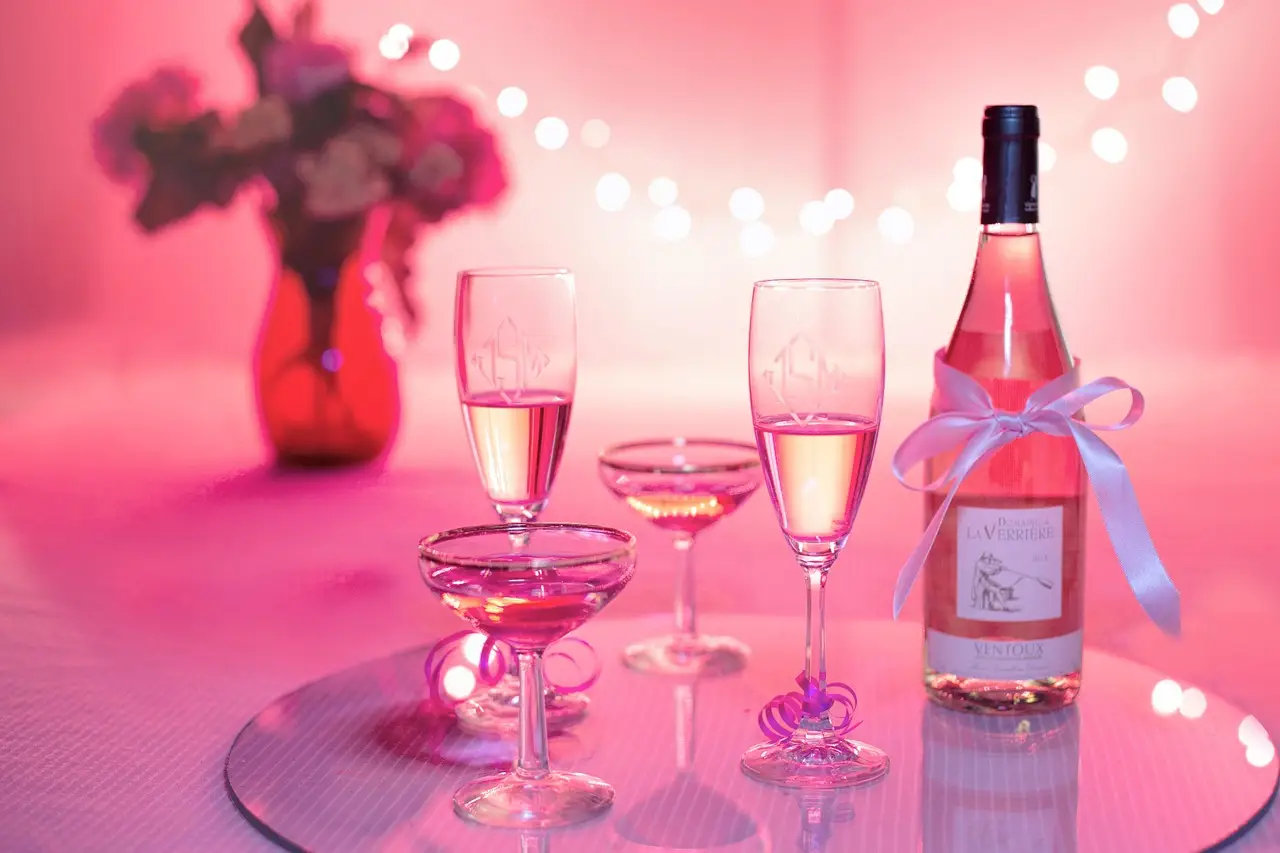
Wine coolers, killed by a 1991 tax hike, are back: wine-based RTD sales rose 14% as price-fatigued drinkers embrace $14 nostalgia in a design-forward can.
At a glance
- Wine spritzers and coolers hit 7% of new RTD launches in 2024, up from 4% in 2021 (IWSR).
- A 1991 U.S. wine tax hike from 17 cents to $1.07 per gallon collapsed the original category.
- Shipments grew from 8 million gallons in 1983 to 120 million in 1986.
- Wine-based RTD sales rose 14% in 2025 per NielsenIQ; 31% of U.S. drinkers cite cost for drinking less.
Wine spritzers and coolers accounted for 7% of new ready-to-drink launches across the category's 10 largest markets in 2024, up from 4% in 2021, according to a 2025 report from global drinks data provider IWSR. The category that supposedly died in the early 1990s is back on shelves next to White Claw and High Noon. The comeback has numbers behind it, but the story of how it happened starts with a tax bill.
Who built the first wine cooler boom?
Michael Crete and Stuart Bewley get the credit. The pair mixed white wine with fruit and soda water on beach days in Santa Cruz, then began bottling the concoction in 1981 as California Cooler, marketed as an affordable beer alternative. By the mid-1980s they were shipping over 12 million cases a year. Competitors piled in: Bartles & Jaymes and Seagram's landed in refrigerators nationwide, and U.S. wine cooler shipments grew fifteenfold in three years — from 8 million gallons in 1983 to 120 million in 1986.
What killed them in 1991?
A tax hike. In 1991, the U.S. raised the federal tax on wine from 17 cents to $1.07 per gallon — more than a sixfold increase. That ended the affordability pitch that carried the category. Producers pivoted to cheaper malt-based coolers, which opened the door for Coors' Zima, then Smirnoff Ice and Mike's Hard Lemonade. Millennials and older Gen Zers grew up on those instead.
The '80s marketing didn't fade entirely, though. Wine coolers became all but synonymous with easy drinking of the MTV era, a reputation that echoed — often ironically — through the decades. That nostalgia set the scene for the return.
Who is driving the revival?
In 2016, sommelier Jordan Salcito launched Ramona, a line of organic canned wine spritzes tagged "It's wine, but cooler." Bartles & Jaymes returned to shelves in cans three years later. California's Wilbur Wines sells blackberry and citrus coolers under a winking label: "the reboot nobody asked for."
Except the market apparently does ask. NielsenIQ reported in 2025 that ready-to-serve alcoholic beverages made up 12.5% of its tracked sales, with wine-based beverages specifically up 14%. Cost pressure is part of the explanation: 31% of U.S. drinkers cited cost as a reason for drinking less. As one Reddit user put it: "We are all used to paying $14 now for a four-pack of beers, so really inflation saved the wine cooler." The same economics that once killed the category — tax-driven price sensitivity — now work in its favor.
What's different this time?
Almost everything except the name. The new wave — Ramona, Wilbur Wines, La Lata, Pampelonne, plus higher-octane players like BeatBox and BuzzBallz — bears little resemblance to the electrically sweet "Strawberry Daiquiri" and "Purple Passion" bottles of the '80s. The packaging is design-forward and built for Instagram; a can of Pampelonne's "Blood Orange Spritz" looks more at home at a farmers market than a beach party.
The takeaway is plain: the revival trades on nostalgia but sells on price positioning in a market tired of $20 cocktails. Whether it lasts depends on whether affordability stays fashionable.
Source: mashed.com
More from Marcus Bennett
Show full bio
News editor covering companies, deals and strategy in trade marketing, shopper marketing, trade promotions, category management at Target Marketing.
138 articles
Related articles
| October 23, 2026 | Energy Drink Sales Grew 11% in Q3, But Retailers See 2027 Slowdown |
| September 24, 2026 | Canned Cocktails Oust Legacy Liquor Brands as Top Sellers |
| October 27, 2026 | Boston Beer Bets on Vodka Ade as Alcohol's 'Next Big Thing' |
| November 16, 2026 | Corona Wins Millennials: 61% Popularity, and Nostalgia Did the Work |
| October 22, 2026 | Crown Holdings Posts 6% Beverage Can Volume Growth, Tightens 2026 EPS Range |