- Section
- Retail & Distribution
- Published
- 3 min read
- By Nathan Brooks
Retail & Distribution
Family Dollar's $63M Pricing Settlement: What Changes at Checkout
Family Dollar will pay $63 million to settle claims from the FTC and 17 states over register prices exceeding advertised prices, with new controls and annual certification.
At a glance
- $63 million: Family Dollar will settle claims brought by the FTC and 17 states over checkout prices exceeding advertised prices.
- 17 states: The FTC said the pricing practice ran afoul of federal consumer-protection law and laws in 17 named states.
- Annual certification: Family Dollar’s pricing-accuracy program must be independently assessed and certified every year.
- Six specified measures: The agreement covers register notices, price-update controls, monitoring, annual training, lowest-price honoring and immediate corrections.
- Last month: The FTC and 20 states brought similar pricing allegations against Dollar General.
By Nathan Brooks
Family Dollar will pay $63 million to settle claims from the Federal Trade Commission and 17 states that it charged more at checkout than its advertised prices, the FTC announced Thursday.
The FTC said Family Dollar “routinely charged customers more at the register than the prices displayed on shelves, price tags and advertisements.”
According to court documents, the pricing practice ran afoul of consumer-protection law on the federal books and in Alabama, Arkansas, Colorado, Florida, Illinois, Iowa, Kansas, Louisiana, Mississippi, Nebraska, Ohio, Oklahoma, Pennsylvania, South Carolina, Tennessee, Utah and Wisconsin. The FTC said the practice cost shoppers millions.
“The FTC is committed to ensuring price transparency and fairness so consumers can make informed choices,” said Christopher Mufarrige, director of the FTC’s Bureau of Consumer Protection, in a Thursday statement. “Today’s order will ensure Family Dollar stops deceiving consumers about its prices and returns money to consumers harmed by these practices.”
Family Dollar also agreed to implement a pricing-accuracy program that the FTC said will be “independently assessed and annually certified.” The annual certification supplies the next hard checkpoint for compliance.
What does the settlement change at the register?
According to the FTC, the agreement requires Family Dollar to:
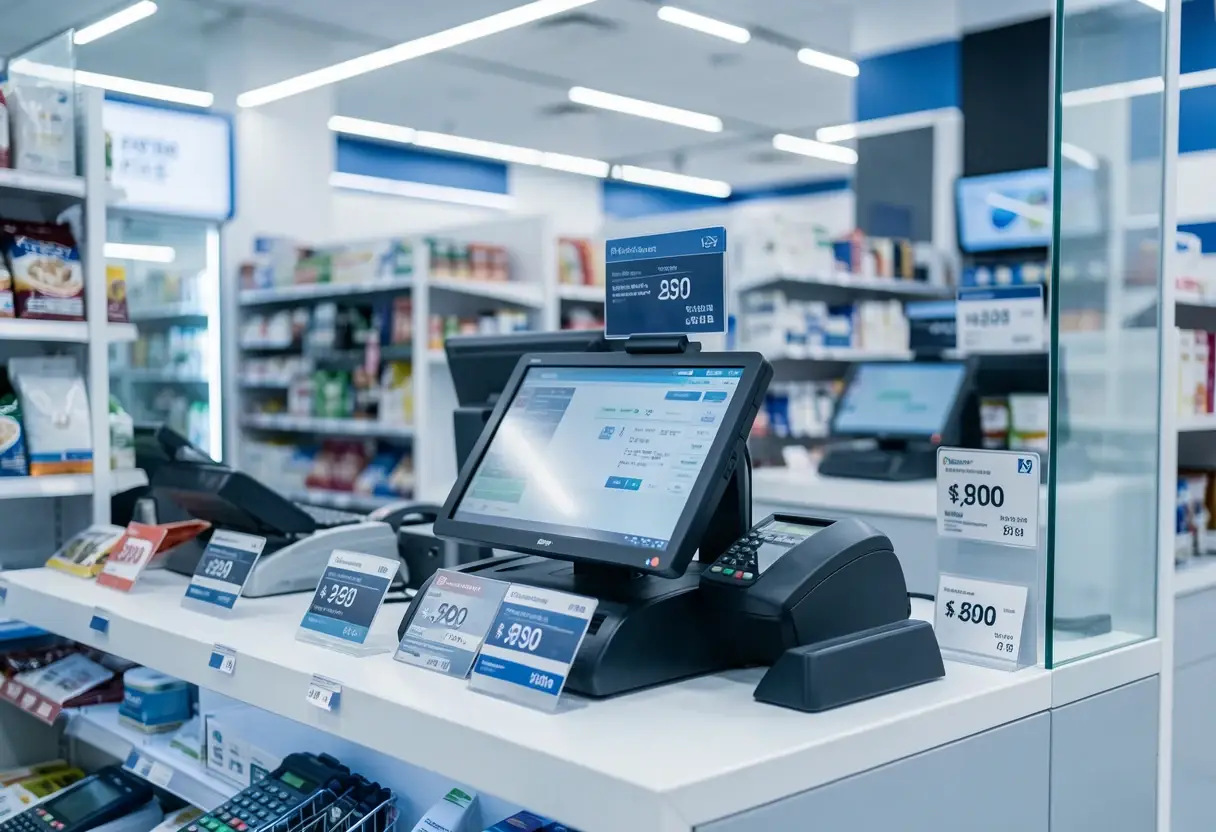
- Display its pricing policy prominently next to store registers.
- Block point-of-sale updates to higher prices until the company advertises those prices appropriately.
- Monitor advertised prices for accuracy.
- Train store employees and others up the chain at least annually on ensuring accurate prices.
- Honor the lowest advertised price.
- Correct inaccurate prices immediately.
Under the agreement, the advertised price becomes the control point and the lowest advertised price must win at payment. A shelf label is not a suggestion. Every receipt becomes a spot check.
Family Dollar spokesperson Janella Escobar said in an emailed statement Friday to sister publication Retail Dive: “We will continue working cooperatively with the FTC and state agencies as we fulfill the requirements of the agreement and provide customers with clear, accessible information about what the settlement means for them.”
She said the company was “focused on strengthening pricing accuracy across our stores and maintaining our customers’ trust.”
Escobar also said: “Family Dollar prides itself on providing convenient, close-to-home stores where customers can shop for everyday essentials at affordable prices.” “We take our responsibility to deliver a positive shopping experience seriously.”
Dive’s analysis noted that some retailers are exploring dynamic pricing options that, whether lawful or not, unsettle financially stressed consumers. At the same time, government consumer-protection advocates at state and federal levels are cracking down on deceptive pricing practices.
The Family Dollar settlement followed a case brought last month by the FTC and 20 states—three more state plaintiffs than the Family Dollar agreement—alleging that Dollar General also regularly charged more at the register than prices displayed elsewhere. Dollar General acknowledged “occasional price discrepancies” and said it aims for complete pricing accuracy.
Going forward, independent assessors will test annually whether the controls work, but shoppers will deliver the faster verdict: a checkout total that matches the lowest advertised price. The $63 million sets the stakes; the register decides.
Source: Grocery Dive
More from Nathan Brooks
Show full bio
Market editor covering companies, deals and strategy in trade marketing, shopper marketing, trade promotions, category management at Target Marketing.
198 articles