- Section
- Retail & Distribution
- Published
- 2 min read
- By Daniel Okafor
Retail & Distribution
Rising Store Costs Will Force Every Square Foot to Work Harder by 2027
Ripple's Daniel Wolfenden says rising energy, rates and staffing costs will push retailers to judge store design on ROI by 2027, with modular fixtures and phone-linked shopping leading the shift.
At a glance
- 38% of UK in-store shoppers used their phone during their most recent physical purchase, per Visa Acceptance Solutions research cited by Ripple.
- Rising energy bills, business rates and staffing costs are increasing pressure on retailers to maximise value per square foot, says Daniel Wolfenden.
- Wolfenden predicts commercial performance will shape store design from the earliest stages in 2027.
- Sustainability focus will shift from material selection toward repairable, reconfigurable, reusable fixtures.
By 2027, retailers will judge store design on long-term commercial value, not immediate visual impact, because rising energy bills, business rates and staffing costs are making physical stores increasingly expensive to operate. That is the core prediction from Daniel Wolfenden, design and marketing director at retail design agency Ripple, who argues the pressure on every square foot will reshape how brands brief, build and run their physical spaces.
What does this change for store design?
The money question shifts to the start of the process. Wolfenden expects commercial performance to become "an even greater consideration from the earliest stages of the design process." Retailers will want environments that do more than reflect the brand. They will need to improve product visibility, encourage engagement, support sales and remain practical to operate and maintain.
His verdict on what wins: "The most successful store designs will balance creativity with flexibility, functionality and a clear return on investment."
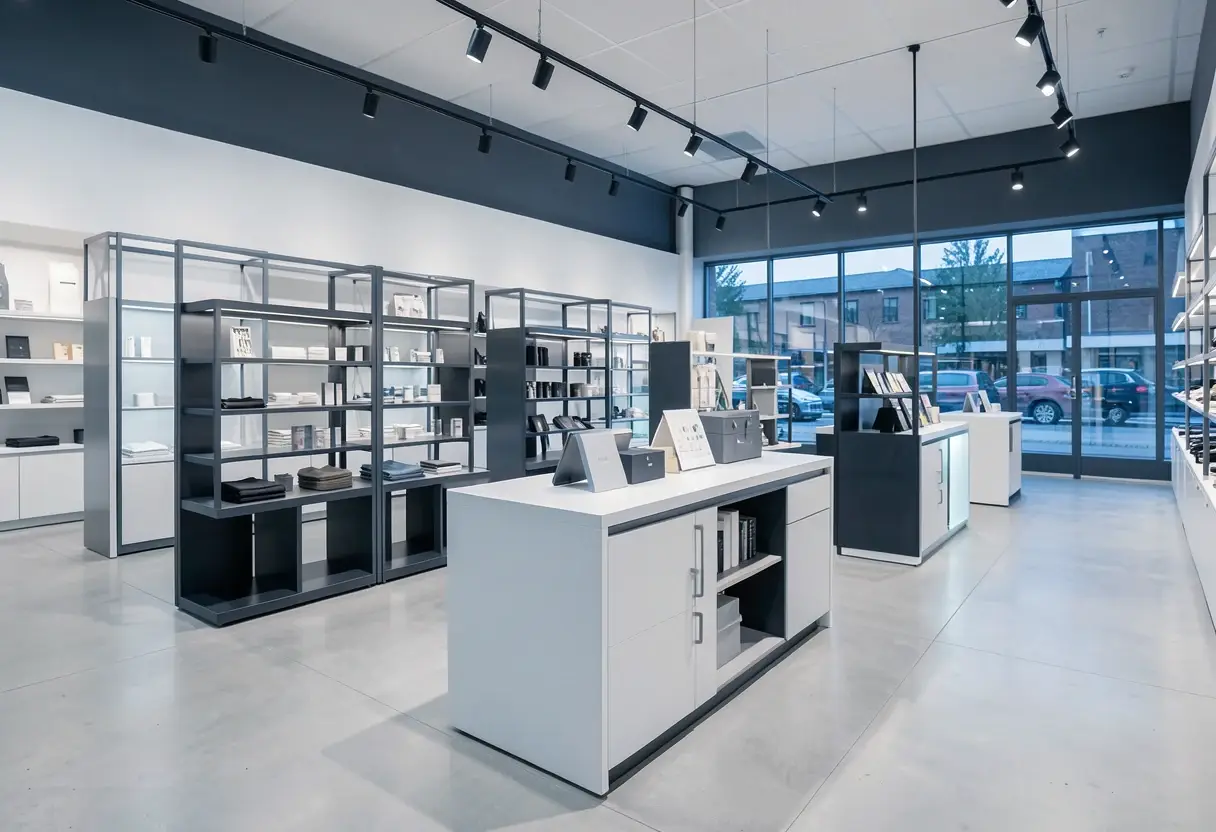
Flexibility becomes a budget line, not a nice-to-have. Retailers need spaces that adapt to changing product ranges, seasonal campaigns and evolving customer demands without paying for a complete refit. Wolfenden expects greater investment in:
- Modular displays
- Adaptable fixtures
- Design systems that let retailers refresh spaces while protecting existing investment
How will showrooms support the journey?
Online and physical shopping have merged. Research from Visa Acceptance Solutions found that 38% of UK in-store shoppers used their phone as part of their most recent physical purchase, a figure Wolfenden cites to show how closely the two channels now connect.
The mechanism is simple. Shoppers research and compare products online before they visit. Once inside, the store must offer something a screen cannot. In flooring, interiors and home improvement especially, Wolfenden says showrooms will need to help customers visualise products, compare materials and finishes, and make more confident purchasing decisions. The showroom stops being a warehouse with samples and becomes the confidence-building stage of a journey that starts on a phone.
Where does sustainability go from here?
It stays on the agenda, but the focus moves beyond material selection towards longevity. Designing fixtures that can be repaired, reconfigured and reused, Wolfenden argues, "makes both environmental and commercial sense."
Digital technology faces the same scrutiny. Screens and interactive features need to earn their place by making shopping easier, rather than simply adding another layer of technology. That is a direct challenge to retailers that have treated in-store tech as a default upgrade. Under the 2027 model Wolfenden describes, each screen carries a justification burden, and decorative hardware without a job gets cut.
The so-what
The through-line is accountability. Store design in 2027 gets measured like any other channel investment: against visibility, engagement, sales support and operating cost. Brands that brief for adaptability from day one protect their capital against the next range change or seasonal pivot. Brands that chase a visual wow with fixed fixtures will keep paying for it every time the assortment moves.
Source: retailtimes.co.uk
More from Daniel Okafor
Show full bio
Senior reporter covering companies, deals and strategy in trade marketing, shopper marketing, trade promotions, category management at Target Marketing.
169 articles
Related articles
| October 22, 2026 | Kroger Bets $5 Billion on 110 New Stores and Three Fresh Formats |
| November 4, 2026 | NRF Projects $1 Trillion Holiday Spend. Store Experience Decides Who Keeps It |
| September 22, 2026 | Apple's Former Retail Chief: AI Won't Move Shoppers Off Physical Stores |
| October 26, 2026 | Target completes SoHo revamp, refreshes 1,600-plus fan shops |
| November 19, 2026 | KeHE’s 2027 forecast: 55% prefer AI, 71% keep buying treats |