- Section
- Packaging
- Published
- 3 min read
- By James Calloway
Packaging
Smaller Packs Now Outsell Multiserve in Soda, Cereal and Snacks
Smaller packs already outsell multiserve in soda, cereal and salty snacks, NielsenIQ finds, as household size shrinks and 21% of homes include a GLP-1 user.
At a glance
- Smaller pack sizes outgrow traditional multiserve packs in soft drinks, ready-to-eat cereal and salty snacks, per NielsenIQ.
- 21% of U.S. households had at least one GLP-1 user as of May, NielsenIQ reports.
- Only 32% of in-person grocery purchases and 19% of online purchases are stock-up trips.
- Average U.S. household size fell from 2.6 to 2.5 people since 2000 despite population growth of 58.7 million.
- 28% of shoppers actively consider waste reduction when buying groceries, a January NielsenIQ survey found.
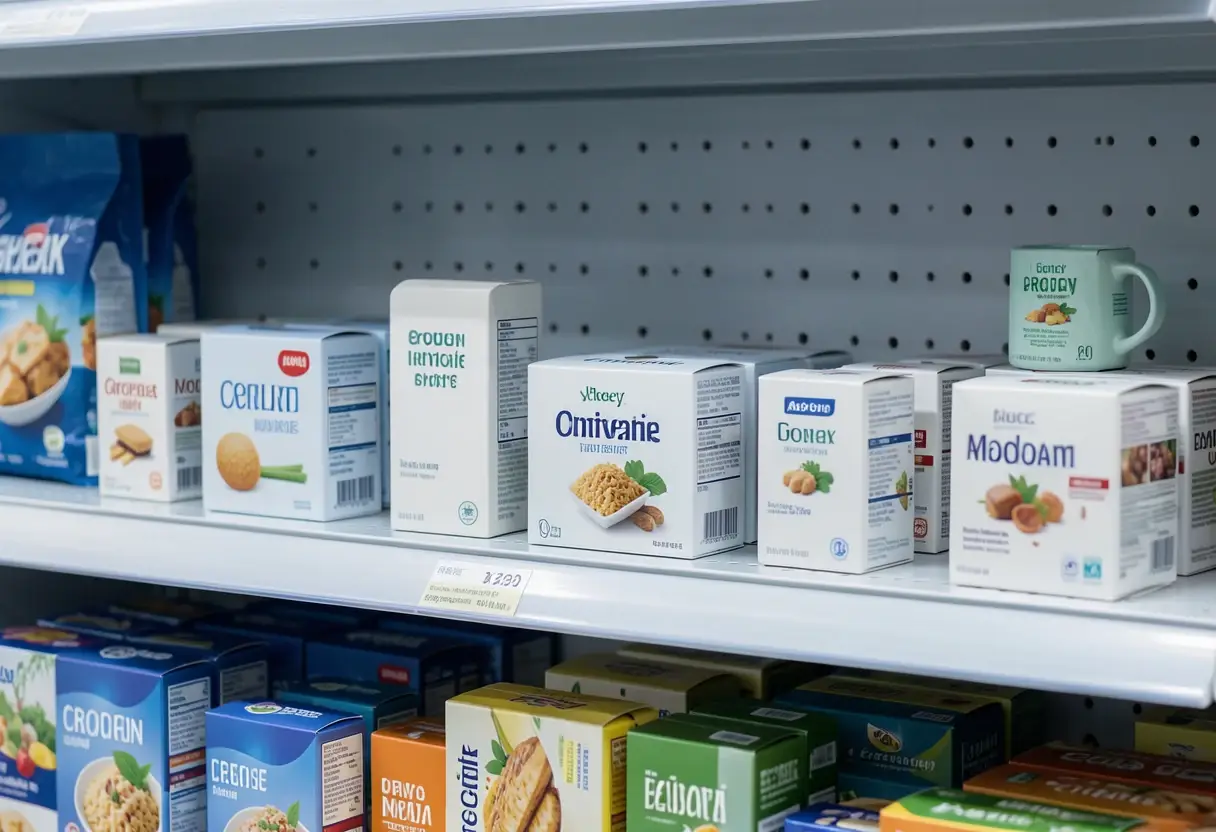
Smaller pack sizes are already outselling traditional multiserve packs in three major grocery categories — soft drinks, ready-to-eat cereal and salty snacks — according to a recent NielsenIQ report. The authors warn that overall pack architecture has not kept up with changing U.S. consumption patterns, and brands should act now to maintain market relevance.
The report identifies a structural shift with no going back. There is no longer an "average" family for companies to target, NielsenIQ says, and both brands and packaging companies need to evolve alongside consumers.
Why are households driving smaller formats?
The numbers behind the shift are demographic as much as economic. The U.S. population has grown by 58.7 million since 2000, yet average household size has dipped from 2.6 people to 2.5. Smaller households consume differently than larger families, the report says. At the same time, consumers have grown more price-sensitive on everyday purchases as economic conditions force them to spend more on essentials.
"This makes smaller pack sizes important because they can reduce the price per trip, even when larger packs still offer a better per serving price," the report states.
GLP-1 weight-loss medications compound the effect. As of May, 21% of U.S. households had at least one GLP-1 user, and that figure is rising, according to the authors. These users report shrinking portion sizes and reduced food purchases. NielsenIQ recommends brands respond with smaller formats such as mini beverage cans, trial sizes and portioned servings.
Packaging converters have already spotted the opportunity. Over the past couple of years, they have worked with brands to redesign packaging to be smaller or to carry messaging about fitting into healthier lifestyles.
What is happening to the stock-up trip?
Big-basket shopping is fading. An estimated 32% of in-person grocery purchases are now stock-up trips — a lower share than in years past. Online, only 19% of purchases qualify as stock-up trips. Consumers increasingly favor quick, targeted runs for a limited number of items.
Generational splits add another layer of complexity and underscore that "pack architecture needs to work across different shopping environments," the report said. Baby Boomers still shop in-store nearly 70% of the time and need packaging that is recognizable on shelves and easy to carry home. Millennials and Gen Z shop for groceries in person only 36% and 39% of the time, respectively, so packaging must also perform in digital environments where decisions hinge on images, price points and delivery options.
These consumption shifts highlight "the potential for changing packaging trends" and the need for brands and packaging companies to keep up, the report says.
How are shoppers redefining value?
The perception of value itself is changing, and purchasing patterns reflect it. Consumers historically judged per-unit costs for larger packs. Now they weigh convenience and product usefulness at the same time. "This challenges the idea that value should be communicated only through larger pack sizes or the lowest unit price," according to the report.
Waste reduction now factors into the equation. A NielsenIQ survey from January found 28% of shoppers actively think about waste reduction when making grocery purchases. Their strategies include choosing sustainably packaged products and buying only quantities they can fully use before spoilage. The authors recommend manufacturing packs that are smaller and easier to carry.
"Redefining value and how your brands fit is pivotal to succeeding with consumers who are interacting with the market differently than anything we've seen historically," the report said. "How your pack architecture, promotion structures, and value propositions speak to these consumers is something to think about right now."
For marketers, the so-what is direct: pack size, promotion structure and value messaging need a redesign together, before the gap between portfolio architecture and shopper behavior widens further.
Original: techtarget.com
More from James Calloway
Show full bio
Correspondent covering technology and product news in trade marketing, shopper marketing, trade promotions, category management at Target Marketing.
64 articles
Related articles
| September 25, 2026 | Grocery Execs Underestimate GLP-1 Impact on Sales, Shoptalk Warns |
| September 22, 2026 | 93% of Americans Have Adopted At Least One Cost-Saving Measure |
| September 22, 2026 | GLP-1 Drugs Put $73B in Global Food Value at Risk |
| September 24, 2026 | Conagra Names 3 Trends Reshaping $198B Snack Industry |
| September 22, 2026 | 97% of Americans Worry About Gas Prices — and It's Reshaping C-Store Trips |