- Section
- Grocery & CPG
- Published
- 2 min read
- By Tom Whitfield
Grocery & CPG
US Consumer Trust in Food Safety Hits Record Low, Gallup Finds
US consumer trust in food safety has dropped to a record low, Gallup reports, as a Cyclospora outbreak and food recalls shift buying habits.
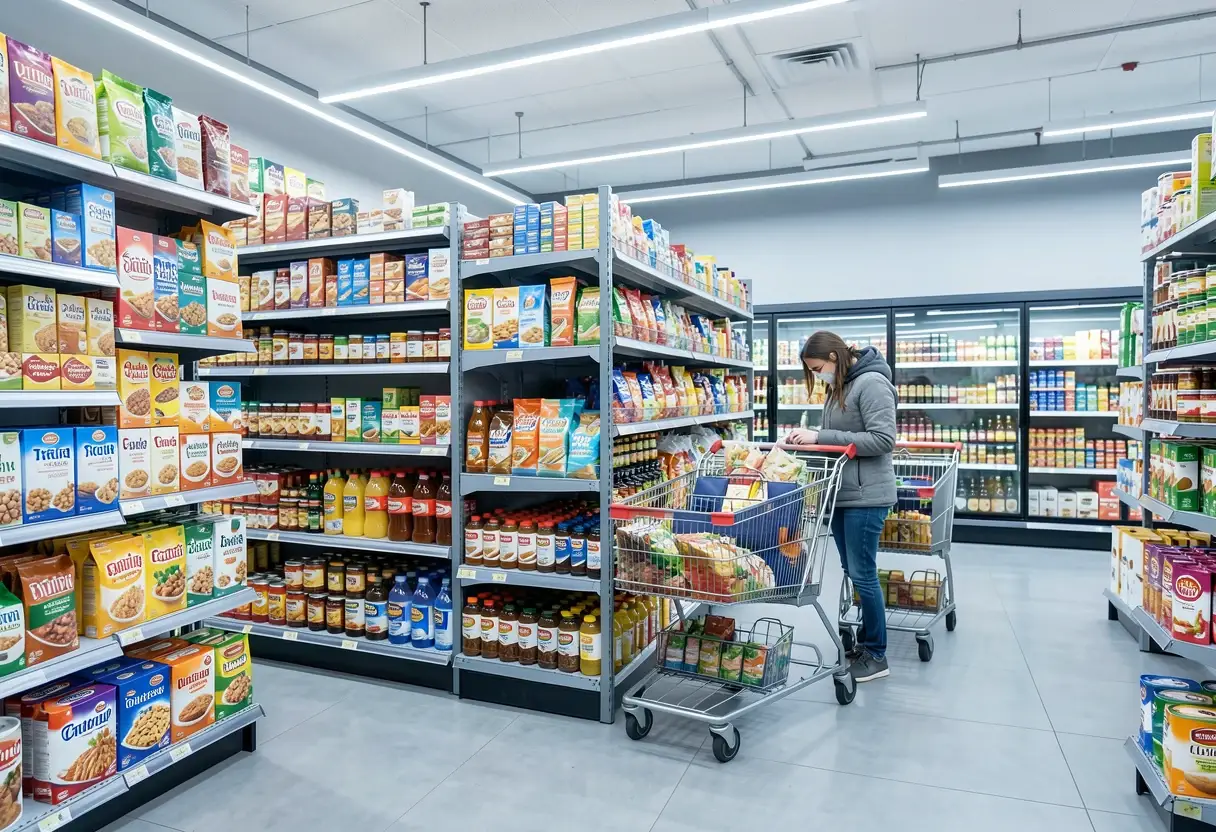
At a glance
- US consumer trust in food safety has fallen to a record low, Gallup found.
- A Cyclospora outbreak contributed to the decline in confidence.
- A series of food recalls added to consumer concern.
- Consumers have shifted their buying habits in response, according to Gallup.
Consumer trust in the safety of the US food supply has fallen to its lowest level on record, Gallup reported, after a Cyclospora outbreak and a wave of food recalls eroded shopper confidence.
Gallup, which has tracked the measure for years, recorded the steepest drop in the history of its food-safety polling. The decline follows a series of high-profile contamination events and product withdrawals that kept food safety in the headlines through the summer.
The fallout extends beyond sentiment. Gallup found that consumers have changed how they buy food in response to the outbreaks and recalls — a behavioral shift with direct consequences for grocers, CPG brands and their retail partners.
What does the record low mean for food retailers?
For practitioners, the signal is straightforward. Shoppers who lose confidence in food safety do not simply worry; they adjust purchases. Gallup linked the confidence decline to a measurable shift in buying habits, which means assortment, sourcing transparency and recall response now carry commercial weight.
A Cyclospora outbreak tied to fresh produce sits at the center of the story. Produce categories that consumers handle raw — leafy greens, herbs, berries — face the sharpest scrutiny, because shoppers cannot verify their safety the way they can with packaged goods carrying brand labels.
The recall activity compounded the damage. Each withdrawal refreshed media coverage of contamination risk, and Gallup's data shows the cumulative effect pushed trust below any prior reading.
What should brands do next?
Gallup's finding gives marketers a clear mandate: rebuild trust at the shelf. Suppliers that can document origin, testing and handling for vulnerable categories hold an advantage while confidence sits at a record low.
The reputational stakes cut both ways. Brands that communicate recall information quickly and clearly can retain shoppers; those that stay silent risk losing them to competitors with stronger safety stories. With consumer confidence at its lowest recorded point, Gallup's data suggests food-safety communication is no longer a compliance function — it is a purchase driver.
Original: imgproxy.divecdn.com
More from Tom Whitfield
Show full bio
Staff writer covering people, launches and day-to-day practice in trade marketing, shopper marketing, trade promotions, category management at Target Marketing.
68 articles
Related articles
| October 12, 2026 | 1 in 4 Shoppers Say Deli-Prepared Food Lacks Variety |
| September 22, 2026 | 7-Eleven Faces Lawsuit From Former Private Label Director |
| September 22, 2026 | Grocery Unit Sales Fell 2.1% in August, Circana Data Shows |
| September 22, 2026 | GLP-1 Drugs Put $73B in Global Food Value at Risk |
| September 22, 2026 | Dairy Retailers Turn to Shelf Signage as Shoppers Scrutinize Labels |