43% of Grocery BNPL Users Incur Late-Payment or Overdraft Fees
A Federal Reserve survey of 12,934 adults finds 43% of grocery BNPL users incurred late-payment, overdraft, or insufficient-funds fees — double the 21% rate among BNPL users overall.
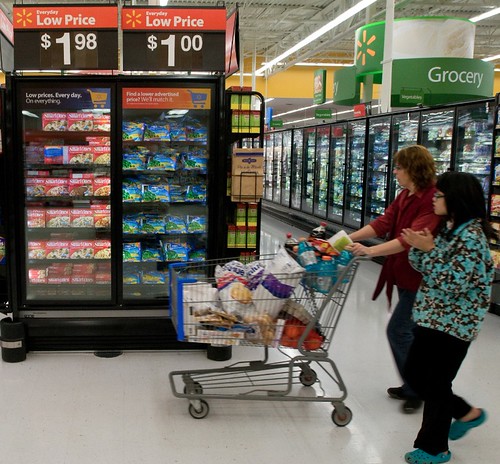
More than 4 in 10 consumers — 43% — who used buy now, pay later for groceries or food delivery were hit with a late-payment, overdraft, or insufficient-funds fee, according to a recent report from the Federal Reserve. Among BNPL users overall, the figure was 21%.
The gap points to a sharp divide in how consumers use installment payment products. Shoppers who finance essentials like food face more than double the fee exposure of the typical BNPL user, the Fed found.
The report, published in the Federal Reserve's Consumer & Community Context, draws on the central bank's annual Survey of Household Economics and Decisionmaking, which polled 12,934 respondents in October 2025.
Income shapes the pattern. Among BNPL users earning less than $50,000, 29% used the payment method for groceries or food delivery over the prior year, compared with 20% of users overall. Among users making more than $100,000, only 9% did.
In most other spending categories, lower-income users behaved almost identically to the broader population. Some 51% of BNPL users with incomes under $50,000 financed clothing and accessories purchases over the prior year, versus 49% overall. For electronics, the split was 33% versus 32%. For furniture and appliances, it was 25% versus 26%.
Groceries are the outlier.
"Taken together, these results suggest that some adults struggle to cover essentials, and BNPL is not filling the gap," the report stated.
The findings land as BNPL keeps scaling. The financing method powered $20 billion in US online spending during the 2025 holiday season, a 9.8% year-over-year increase and an all-time high, according to Adobe Analytics data released in January.
For grocers and food-delivery platforms weighing BNPL integrations, the Fed's data carries a caution: the consumers most likely to finance food purchases are also the most likely to rack up fees when the payments come due.
Original: federalreserve.gov
James Calloway
Show full bio
Correspondent covering media and advertising at Target Marketing.