Seattle Becomes First U.S. City to Ban Surveillance Pricing on Groceries
Seattle passed the nation's first city-level ban on surveillance pricing, blocking retailers from using personal data to set individual grocery prices.
The Seattle City Council on Tuesday passed the Fair Pricing and Transparency Act (CB 121267), the first city-level law in the country to prohibit personalized pricing in the sale of groceries.
The bill bans the use of a consumer's personal data to change the price they see for groceries and other essential items. Covered data includes web-browsing history, real-time location, and inferences about income, family size and health conditions. The measure still permits a broad range of discounting practices, but it requires increased transparency around discounts and places some limits on how retailers can profile shoppers.
Seattle joins three states that already restrict surveillance pricing. Maryland, New Jersey and Connecticut have each passed legislation against the practice.
UFCW 3000 applauded the move and said Seattle now has the strongest ban on surveillance pricing in the country.
"Passing the strongest ban on AI-powered price-gouging on groceries feels historic. My coworkers and the customers we serve proudly stood together to stop the grocery industry from imposing this scheme here in Seattle," said Seattle grocery store worker Kristen Wilder. "Today that worked paid off for families who just want to know they're paying a fair price and for workers who want to focus on customer service instead of defending some algorithm making decisions in a black box."
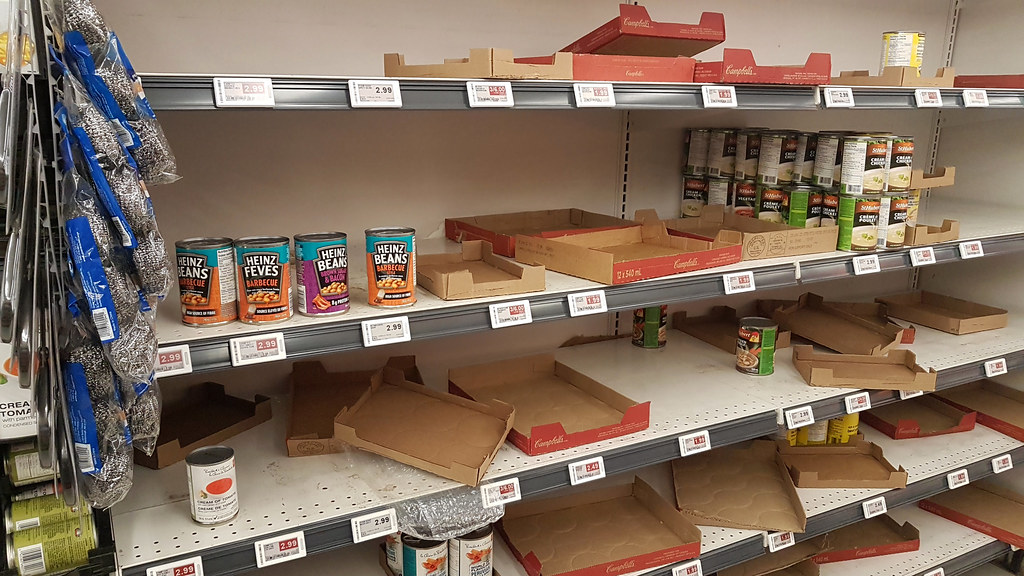
The law arrives as unions build an economic case against the technology that enables dynamic pricing. The AFL-CIO Tech Institute recently published a policy brief, "Priced Out, Pushed Out: Electronic Shelf Labels Raise Prices and Shrink Paychecks," arguing that widespread adoption of electronic shelf labels (ESLs) is contributing to rising grocery prices and threatening grocery workers' livelihoods.
The brief includes a new Tech Institute analysis of ESL developers' own marketing materials. It estimates that universal ESL adoption in U.S. grocery stores could cost workers between $1.6 billion and $6.9 billion in lost wages annually and affect between 44,223 and 191,633 jobs. The brief, which contains state-specific economic impact analysis, calls on policymakers to ban ESLs to protect consumers and grocery store workers.
Federal regulators are moving in parallel. The Federal Trade Commission announced last month that it is seeking public comment on an enforcement policy statement regarding personalized pricing. The agency said the undisclosed collection or use of personal data for personalized pricing could violate the FTC Act, which prohibits unfair or deceptive practices in the marketplace.
For grocery retailers, Seattle's ordinance sets a compliance benchmark that other cities—and potentially more states—are likely to copy as scrutiny of algorithmic pricing intensifies at the federal level.
Source: Supermarket News
Tom Whitfield
Show full bio
Staff writer covering industry trends and analytics at Target Marketing.