- Section
- Grocery & CPG
- Published
- 2 min read
- By Tom Whitfield
Grocery & CPG
WK Kellogg Bets on a Plan to Wake Up Cereal
After years of sales declines tied to changing eating habits, WK Kellogg executives have a plan to revive cereal — and the move resets how retailers and rivals treat the category.
At a glance
- WK Kellogg has posted years of cereal sales declines, executives say.
- The company makes Froot Loops and Frosted Flakes.
- Executives attribute the decline to a shift in consumer eating habits.
- The company has a plan it describes as a wake-up call for the cereal category.
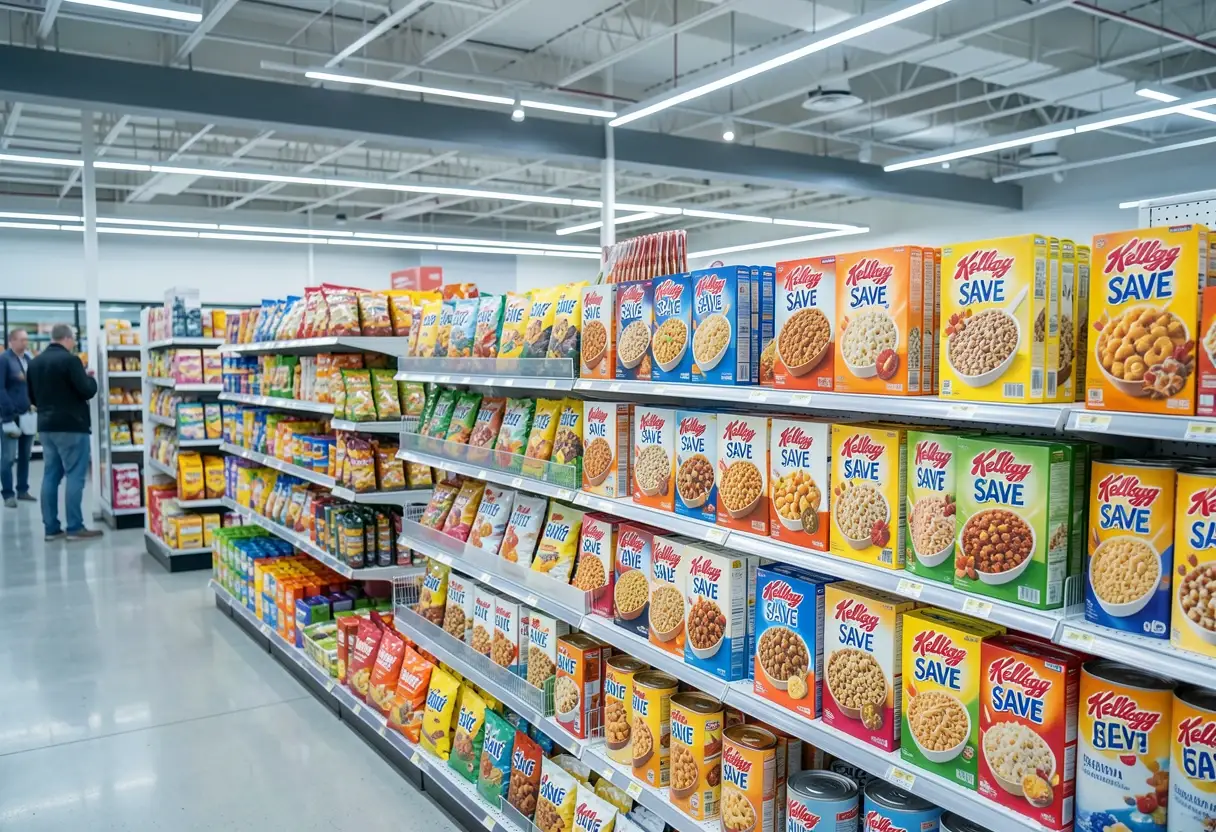
After years of sales declines, WK Kellogg has a plan to give the cereal category a wake-up call, according to executives at the manufacturer of Froot Loops and Frosted Flakes.
The admission is the story. A company that owns two of the most recognizable brands on the breakfast table now frames its own category as needing revival rather than defending share. For practitioners, that framing matters more than any single tactic: it signals where marketing dollars, shelf strategy and innovation budgets will concentrate over the coming cycle.
Why the category needs a wake-up call?
Executives attribute the decline to a shift in eating habits. The source does not name the specific behaviors, but the diagnosis is structural rather than cyclical. Consumers have changed how they eat, and cereal — a product built around a specific morning routine — has lost ground as that routine has loosened.
That distinction shapes what a turnaround can achieve. A cyclical dip responds to promotion and pricing. A structural shift demands that the brand change its relationship with the eating occasion itself, repositioning cereal from a habit-dependent product to one consumers choose deliberately.
What does the plan change for marketers?
For brand and trade marketers, a manufacturer publicly committing to category revival typically means three things follow:
- renewed investment in demand generation rather than pure margin defense;
- product and messaging work aimed at occasions beyond the traditional breakfast bowl;
- closer coordination with retailers on shelf presence, because a category turnaround requires the store as much as the campaign.
WK Kellogg's portfolio gives the effort reach. Froot Loops and Frosted Flakes carry decades of brand equity with families, and nostalgia-driven brands retain the power to re-enter consideration sets quickly when backed by spend.
Can one manufacturer revive a whole category?
Cereal's problem sits at the intersection of convenience culture and changed eating habits — trends no single company controls. But category leaders set the terms of competition. When the maker of Frosted Flakes treats decline as fixable rather than permanent, retailers gain a reason to keep cereal prominent, and rival manufacturers face pressure to match the investment rather than harvest the category for cash.
Executives have committed to the plan; the market will now judge whether a wake-up call can change habits that took years to form.
By Tom Whitfield
Source: Food Dive
More from Tom Whitfield
Show full bio
Staff writer covering people, launches and day-to-day practice in trade marketing, shopper marketing, trade promotions, category management at Target Marketing.
68 articles
Related articles
| October 12, 2026 | Private Equity Buys Clio, the 11-Year-Old Yogurt Bar Brand |
| September 24, 2026 | Conagra Names 3 Trends Reshaping $198B Snack Industry |
| October 12, 2026 | 7 Top Takeaways From This Year's NACS Show |
| September 22, 2026 | Big Food's Castoff Brands Find Second Life With Startups and PE |
| October 12, 2026 | NACS Show Walk-Through: 10 Trends Across 4 Categories |