DoorDash AI Shoppers Build 50% Bigger Grocery Baskets
DoorDash says AI-assisted shoppers build baskets 50% larger, check out five times faster and buy 60% more unique SKUs than non-AI customers.
DoorDash shoppers using its AI tools build grocery baskets 50% larger than customers ordering without AI, according to co-founder Andy Fang.
"Now we're seeing 50% higher grocery basket sizes versus non-AI orders," Fang said Wednesday at Groceryshop in Las Vegas. "And people are checking out five times faster using AI than without AI."
Fang said those numbers have climbed since DoorDash launched Ask DoorDash, its AI-powered shopping assistant, in June. At launch, baskets built with the tool ran about 35% larger and customers checked out roughly three times faster.
Ask DoorDash lets shoppers build orders through conversational prompts instead of searching for individual products. Customers can also photograph a recipe list and have the service generate a cart.
The technology changes how consumers approach grocery shopping, Fang said. Rather than hunting for specific SKUs, customers increasingly describe the problem they want to solve—planning a birthday party, preparing several meals for the week or finding products that meet dietary restrictions.
That shift drives product discovery. Customers using AI for grocery orders purchase 60% more unique SKUs than those who don't use the technology, Fang said. A shopper planning a barbecue might receive suggestions not only for food but also for commonly forgotten items such as paper plates and napkins.
For grocers, the growth of AI shopping raises the stakes on accurate product catalogs and inventory data, Fang said.
"AI is only as good as the data that's being fed to it," Fang said.
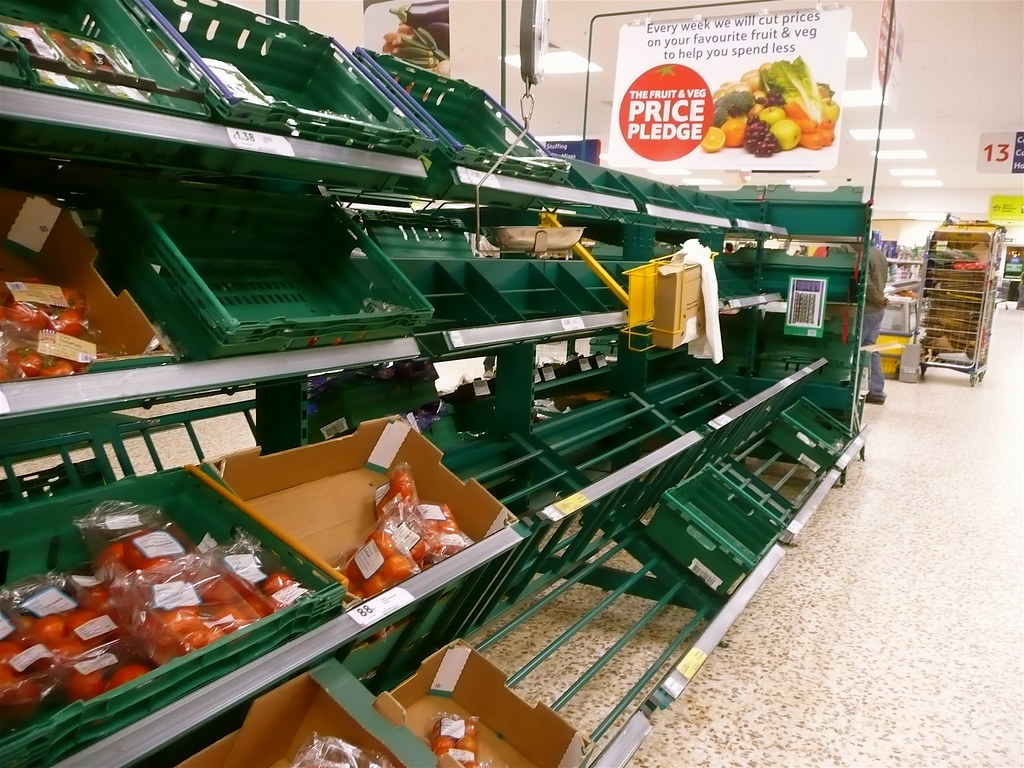
DoorDash taps its delivery network to improve that information. Dashers photograph grocery shelves while fulfilling orders, giving the company real-time insight into whether products are actually in stock. DoorDash can then share some of that information back to retailers.
The company is also in discussions to bring technology developed for Ask DoorDash directly into grocers' own apps and websites, Fang said.
Despite the automation push, Fang said DoorDash does not envision AI taking over the purchasing decision.
"At the end of the day, it's ultimately the consumer," Fang said.
He described AI as a tool for removing friction from grocery shopping while customers still change products, select substitutions and make the final call.
DoorDash's grocery push extends beyond AI. The company recently added Costco to its marketplace and now supports SNAP EBT payments at more than 75,000 stores.
For grocers evaluating AI commerce, the message from Las Vegas is direct: the shoppers who spend the most are increasingly the ones talking to a shopping assistant, and that assistant performs only as well as the retailer's catalog and inventory data behind it.
Source: Winsight Grocery Business
James Calloway
Show full bio
Correspondent covering media and advertising at Target Marketing.