Instacart Unveils Real-Time Shelf Tracking for Grocers and CPGs
Instacart's new software turns 10 million daily shelf scans from 600,000 shoppers into real-time inventory data for grocers and CPG brands, with wider rollouts planned.

Instacart collects more than 10 million data points daily from roughly 600,000 shoppers who scan shelves while fulfilling orders, and it is now turning that stream into a product. The San Francisco-based grocery technology company on Monday unveiled software that gives grocers and consumer packaged goods companies real-time data on product availability and shelf conditions across stores.
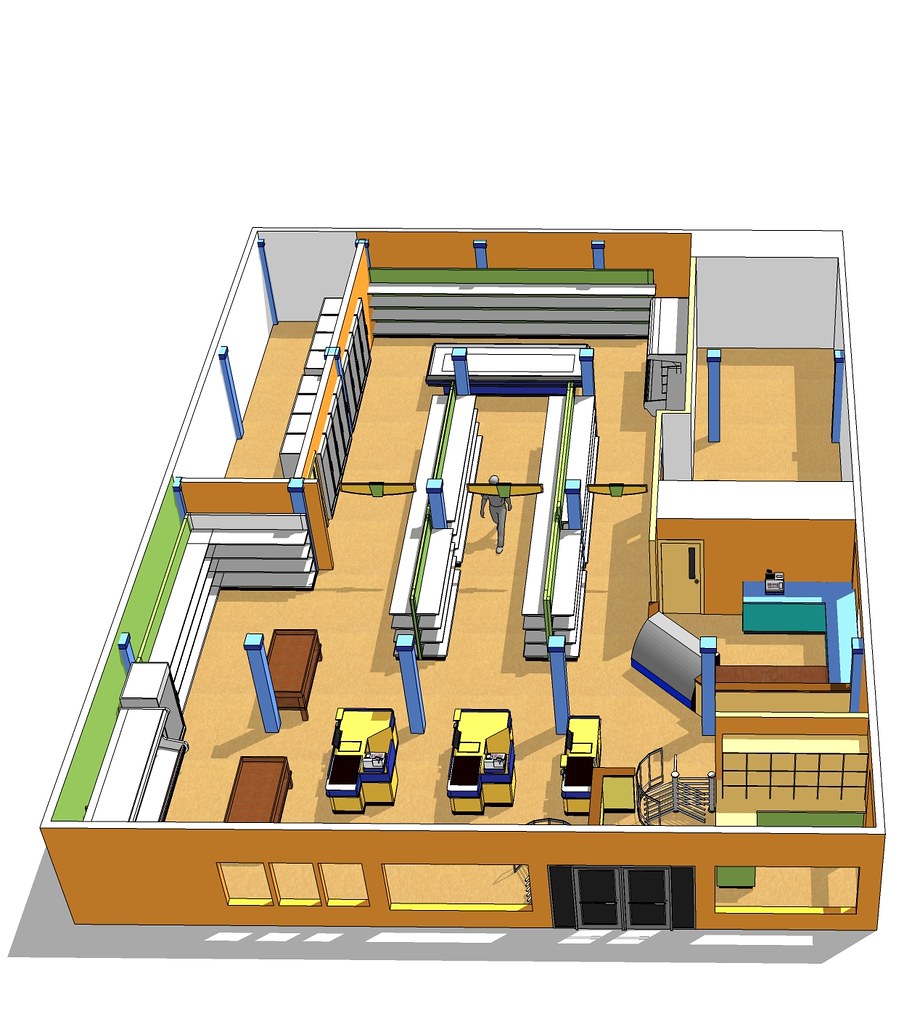
The technology maps individual products on store shelves, letting retailers and brands monitor inventory levels, identify out-of-stock items and analyze merchandising effectiveness without physically visiting locations. Instacart shoppers visit stores an average of more than 15 times per day per location, according to the company.
The system combines shelf scan data with information from 1.6 billion orders placed through Instacart's platform and imagery captured by shoppers and the company's Caper smart shopping carts, which use computer vision technology from Arpalus.
Ryan Hamburger, chief commercial officer at Instacart, said the new tools address a structural weakness in how retailers have tracked inventory. "Traditional inventory systems weren't built for today's reality—they rely on estimates and periodic counts, leaving grocers and brands with an incomplete picture of what's actually happening on shelves," Hamburger said.
The software includes two main products. Inventory Intelligence gives store managers a virtual view of their stores, showing real-time shelf conditions and allowing them to test merchandising changes digitally before implementing them in physical locations.
The Store Excellence Portal serves brands instead of store operators. It provides daily, store-level reports on product availability, estimated lost sales due to out-of-stock items and data on whether customers substituted competitor products when their preferred items were unavailable.
Instacart said the tools also help identify high-demand products that may need additional shelf space and forecast which items are likely to sell out during peak shopping periods.
Early users point to operational gains. Dylan Queen of Queen's Price Chopper said the visibility into shelf conditions and inventory trends would help the regional chain respond to gaps more quickly. The grocer previously had to compile information from multiple systems and rely on store managers conducting floor checks.
Andy Keenan, executive vice president at Advantage Solutions, a retail services company that works with brands, said access to Instacart's Store Excellence Portal data has helped the firm identify missing products and direct resources to stores with the greatest sales opportunities.
Instacart is rolling out the software with select grocers and CPG brands, with additional launches planned in coming months.
Source: Supermarket News
Nathan Brooks
Show full bio
Market editor covering consumer brands and retail at Target Marketing.