Grocery Unit Sales Fell 2.1% in August, Circana Data Shows
Total food and beverage unit sales fell 2.1% in August as higher prices propped up dollars. Frozen foods and shelf-stable seafood gained while produce slid 6.7%, Circana data shows.
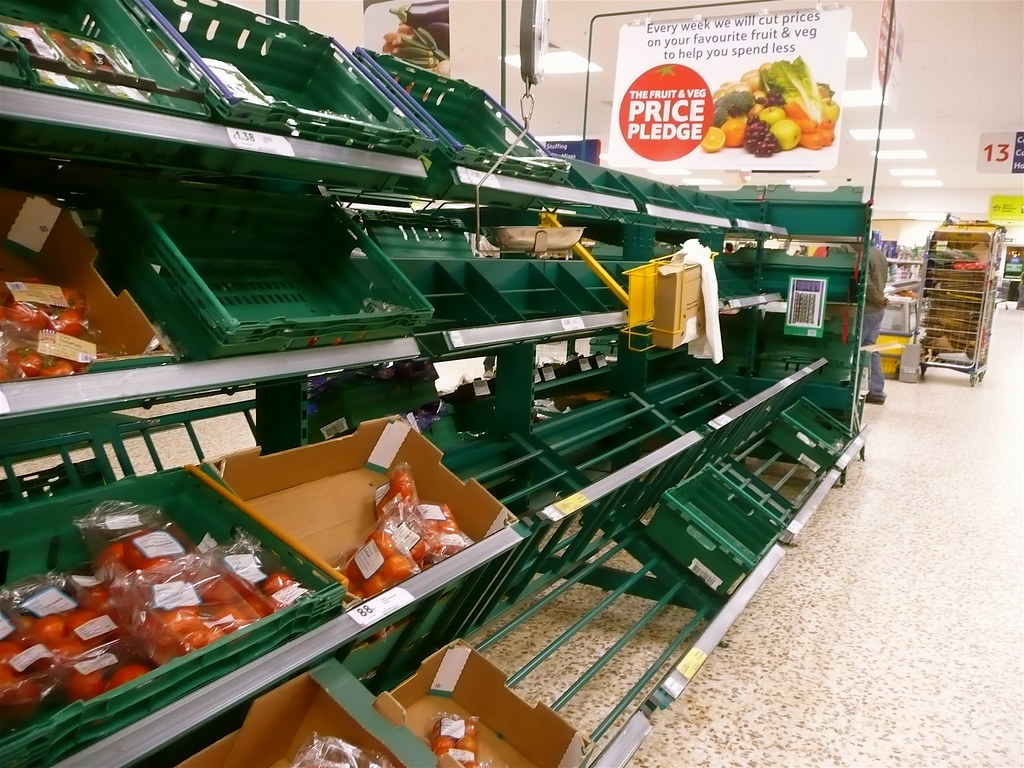
Grocery unit sales fell 2.1% in the five weeks ended Aug. 30, as weakness spread across much of the store even as frozen foods and shelf-stable seafood bucked the trend, according to Circana data compiled by 210 Analytics.
Unit sales were down more than 2% in three of the five weeks, including a 4.1% drop during the final week of the month.
The numbers show a marketplace in which dollar sales can mask weakening consumer demand. Retail food and beverage prices were 1.9% higher than a year ago in August, meaning higher prices supported revenue even as shoppers purchased fewer units.
Produce and bakery posted the steepest declines
Produce was one of the biggest drags on overall unit performance. Produce unit sales declined 6.7% from August 2025, with salads and leafy greens particularly hard hit following cyclospora and other recalls. Tropical and specialty fruits, cruciferous vegetables and root vegetables were among the few produce categories to register unit growth.
Bakery also pulled back sharply. Total bakery unit sales fell 4.3% in August, more than double the 2.1% year-to-date decline. The weakness extended into center-store bakery categories, with cookie pound sales down 4.6%. Frozen baked goods were an exception: volume increased 7.3%, including a 9.3% gain for frozen bread and dough.
Frozen foods offer a bright spot
Frozen foods delivered one of the clearest signs of resilience. Department unit sales increased 0.2% from a year ago, marking the second consecutive month of modest unit growth. Frozen fruit and vegetables ranked among the strongest performers, while processed meat and poultry, snacks and baked goods also contributed.
Performance within the department varied considerably. Processed meat and poultry unit sales increased 1.4%, while frozen meals declined 0.5%. Frozen seafood units dropped 2.2%, and frozen meat and poultry units declined 5.1%.
Some individual frozen meal categories performed substantially better. Frozen pasta posted a 7.1% increase in unit sales, the strongest unit growth among the frozen meal categories tracked in the report.
Refrigerated foods also produced pockets of growth. Cottage cheese remained a standout, with unit sales up 10.6%. Refrigerated desserts increased 3.7%, cheese snack kits rose 0.4% and refrigerated condiments advanced 3.9%. Dairy-alternative cheese moved in the opposite direction, with units falling 11.2%.
Seafood splits sharply
Shelf-stable seafood unit sales jumped 5.1%, led by continued strength in canned and pouched products. Sardine units surged 20.1%, canned salmon increased 8.3% and tuna—by far the largest shelf-stable seafood segment—increased 2.6%.
Fresh seafood did not fare as well. Overall fresh seafood volume declined 1.9%, with finfish down 2.1% and shellfish down 1.5%. Salmon volume was essentially flat, declining 0.1%, while shrimp dropped 7.4% and cod fell 14.7%. Trout was a notable exception, increasing 6.9%, while lobster volume rose 2.8%.
Deli loses momentum
The deli department moved into negative territory, with overall units down 1.1% from August 2025. Deli meat units fell 3.7%, deli entertaining declined 2% and deli cheese slipped 0.4%. Prepared foods came closest to matching last year's performance, declining just 0.3%.
Significant differences emerged within prepared foods. Entree units increased 2.3%, prepared meats rose 1.4%, soups and chili jumped 14.2%, and breakfast units increased 12.3%. Sandwiches declined 4.8%, salads fell 6.3% and desserts dropped 17.1%.
The deli meat numbers also suggest shoppers continued shifting away from the traditional service counter. Service deli meat volume dropped 7.4%, while grab-and-go volume increased 0.8% and pre-sliced meat increased 5.8%.
For marketers, the August data points to a consumer trimming units across perimeter departments while trading into frozen and shelf-stable formats—a shift that will test assortment and promotion strategies heading into the fall.
Source: Supermarket News
Nathan Brooks
Show full bio
Market editor covering consumer brands and retail at Target Marketing.