Newark Opens Five Nonprofit Grocery Stores, $250,000 Each
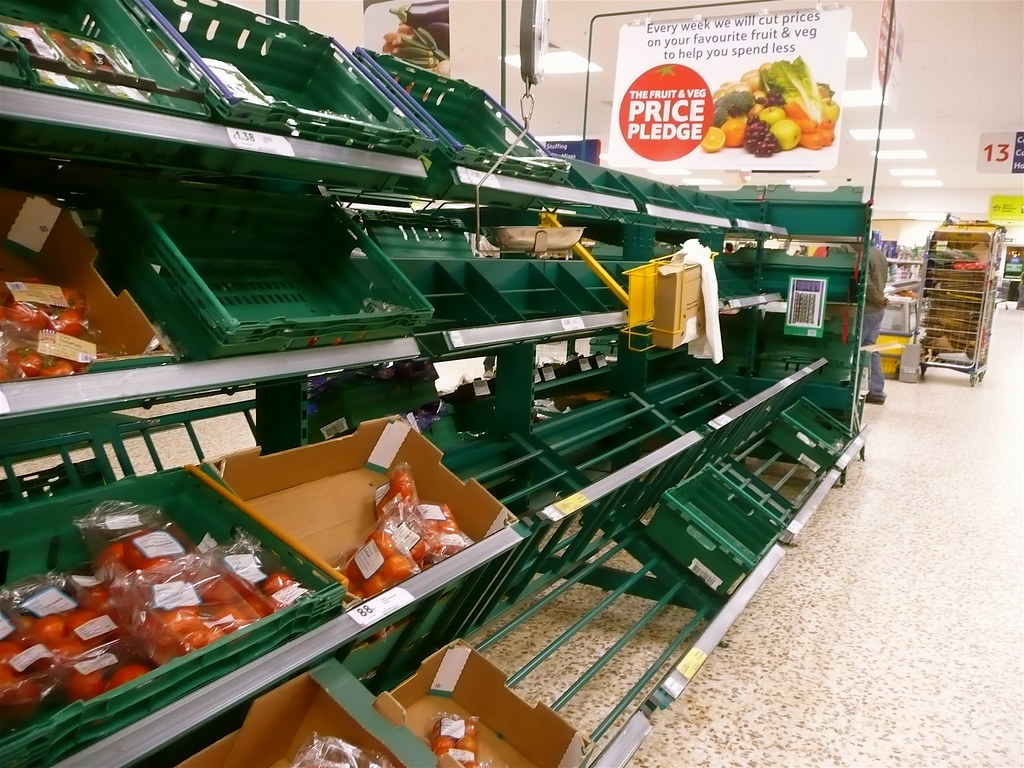
Newark opened five nonprofit grocery stores in food desert areas, each backed by $250,000 in renewable city funding, after emergency food hubs proved successful.
Newark, N.J., has opened five nonprofit community grocery stores, with each location backed by $250,000 in city funding that is slated to be renewed every year, according to local reports.
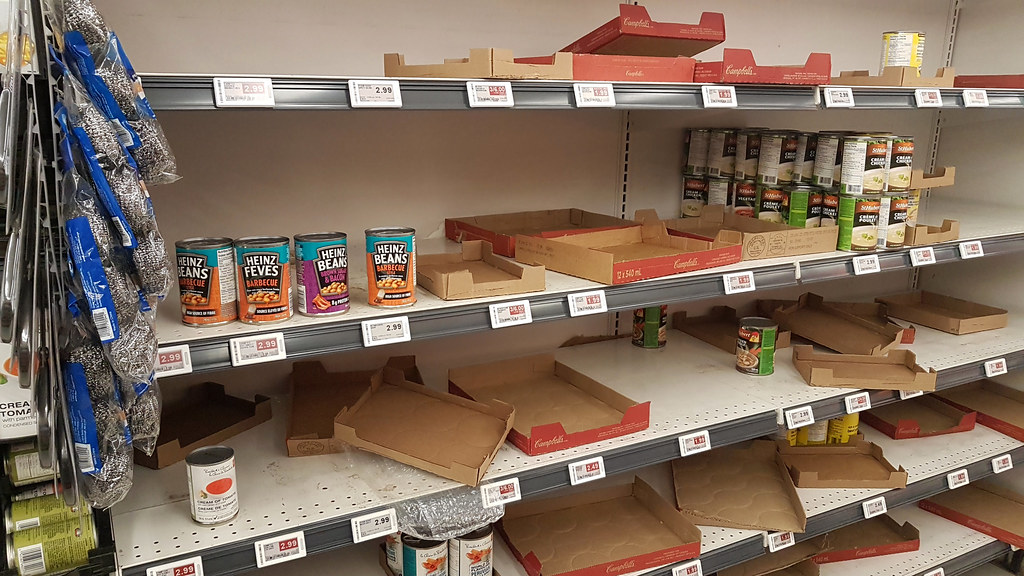
The city celebrated the openings last week. Newark officials said the success of the emergency food hubs set up during the government shutdown last November led to the creation of the permanent stores. Four of the five stores sit in areas designated as food deserts by the New Jersey Economic Development Authority. More than half of Newark's population lives in one of those areas.
The stores carry a full range of perishables and shelf-stable grocery items, priced at up to 25% to 30% above wholesale costs. All five locations will soon accept Supplemental Nutrition Assistance Program (SNAP) and Women, Infants and Children (WIC) benefits, the city said in a statement.
"Food access at an affordable price is a simple good that all Newarkers, and all people, deserve," said Newark Mayor Ras Baraka.
The five stores operate one in each of the city's five wards, run by local nonprofit groups already working in the neighborhoods they serve. The operators include the United Community Corp., St. James Social Service Corp., Montena Global Care, La Casa de Don Pedro and Clinton Hill Community Action. Newark's Office of Sustainability, Resilience and Community Transformation will oversee the program but will not own or operate the stores.
"While we have never operated a grocery store, we certainly know how to 'do' food," said Vesta Godwin Clark, executive director of the St. James Social Service Corp. "Each year, we distribute more than 401 tons of food through our Emergency Food Pantry and Soul Food Café soup kitchen, helping thousands of individuals and families throughout our community."
The Newark model contrasts sharply with a larger municipal grocery push 15 miles east. New York City Mayor Zohran Mamdani is moving forward with plans to open five city-owned grocery stores, one in each borough. Under that plan, the city would develop and own the properties and operate them with the help of a for-profit grocery company, with the stores exempt from rent and taxes.
That structure has drawn legal challenges. Last week the National Supermarket Association and two of its retail members filed a lawsuit to block the New York City effort, accusing the city of violating antitrust laws and creating an unfair competitive advantage. The Multicultural Business Coalition filed its own suit against the plan last month.
No comparable opposition has surfaced in Newark. A spokesperson for the New Jersey Food Council, which represents grocery stores in the state, could not be reached for comment.
State-level funding is expanding as well. Illinois Gov. JB Pritzker last week unveiled $26 million in grants for the Illinois Grocery Initiative, which could fund the reopening of grocery stores that closed in the last 12 months and provide other financing for new grocery stores and equipment.
For retailers and CPG brands, the Newark program signals a growing pipeline of publicly subsidized grocery retail in underserved urban markets — one that, unlike New York's model, leaves operations in local nonprofit hands rather than in direct municipal competition with commercial grocers.
Source: Supermarket News
James Calloway
Show full bio
Correspondent covering media and advertising at Target Marketing.