Nestlé, PepsiCo join push to scale paper-based flexible packaging
Nestlé and PepsiCo are founding members of a CPG consortium formed to accelerate R&D in paper-based flexible packaging and scale viable plastic alternatives.
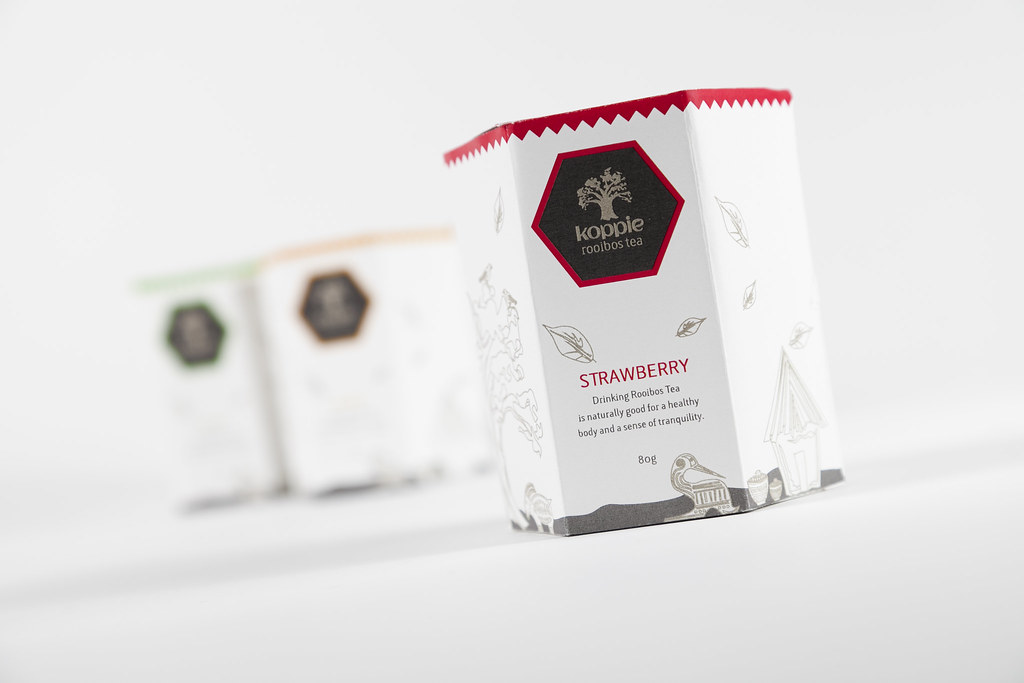
Nestlé and PepsiCo are founding members of a new consumer packaged goods consortium created to accelerate innovation in paper-based flexible packaging and scale plastic alternatives.
The initiative brings competing food giants onto the same side of a shared materials problem. Flexible packaging — the film and pouch formats used across snacks, coffee, confectionery and pet food — has long depended on multilayer plastic structures that are difficult to recycle and have drawn regulatory and consumer pressure.
The consortium's stated purpose is to speed up the development cycle for paper-based alternatives. According to the source report from Food Dive, the group will focus its work on research and development for flexibles, an area where paper has struggled to match plastic's barrier properties, sealability and cost profile.
The companies' participation signals a procurement-side shift, not just a marketing one. Nestlé and PepsiCo together represent enormous volumes of flexible film consumption across their global portfolios, and any packaging format they jointly qualify can move quickly into mainstream supply chains.
For brands weighing sustainability commitments against shelf performance, the effort addresses the central tension in plastic-reduction pledges: alternatives exist, but few operate at scale with reliable barrier protection for food products. A precompetitive consortium spreads the technical risk that no single manufacturer would take on alone.
The move also aligns with broader industry momentum. Packaging suppliers have been racing to commercialize paper and hybrid structures that can run on existing filling lines, and CPG demand signals of this size tend to pull supplier investment behind them.
If the consortium succeeds in maturing paper-based flexibles, shoppers can expect the change to surface first in categories where barrier requirements are less demanding, before migrating to more sensitive food applications.
Original: imgproxy.divecdn.com
Daniel Okafor
Show full bio
Senior reporter covering consumer brands and retail at Target Marketing.